Machu Picchu

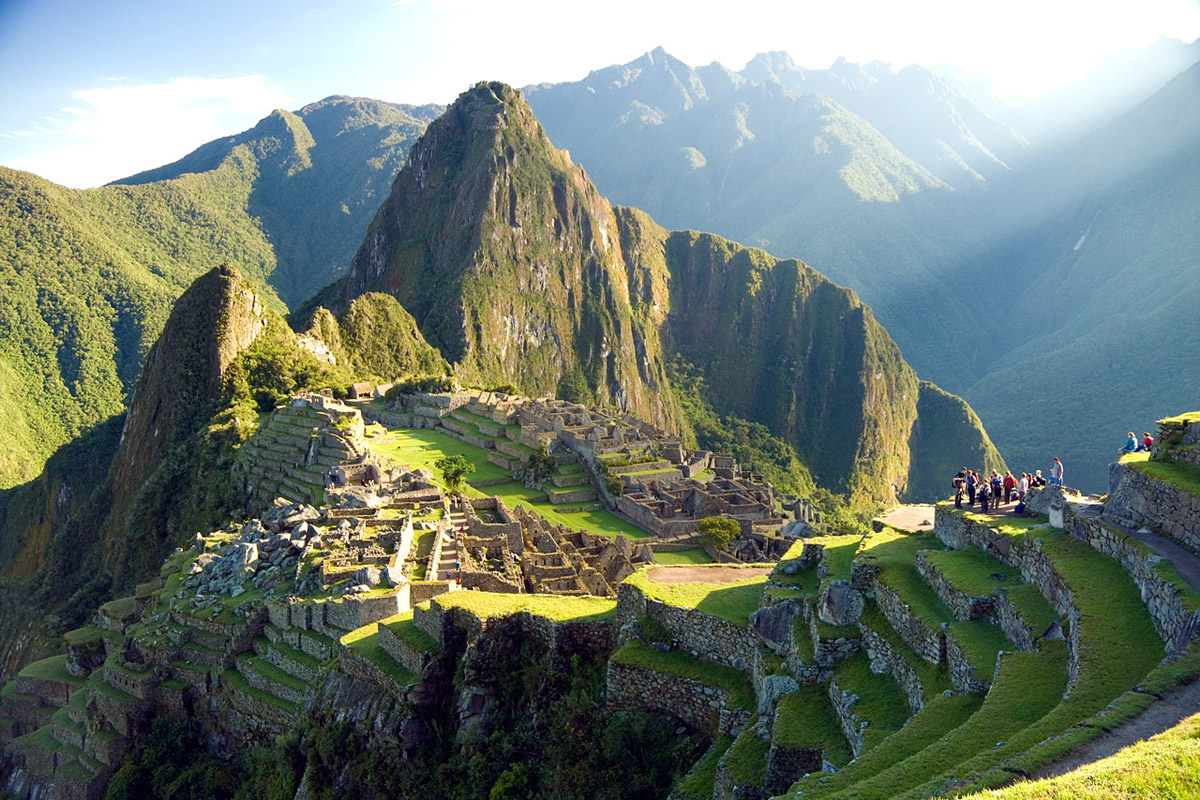
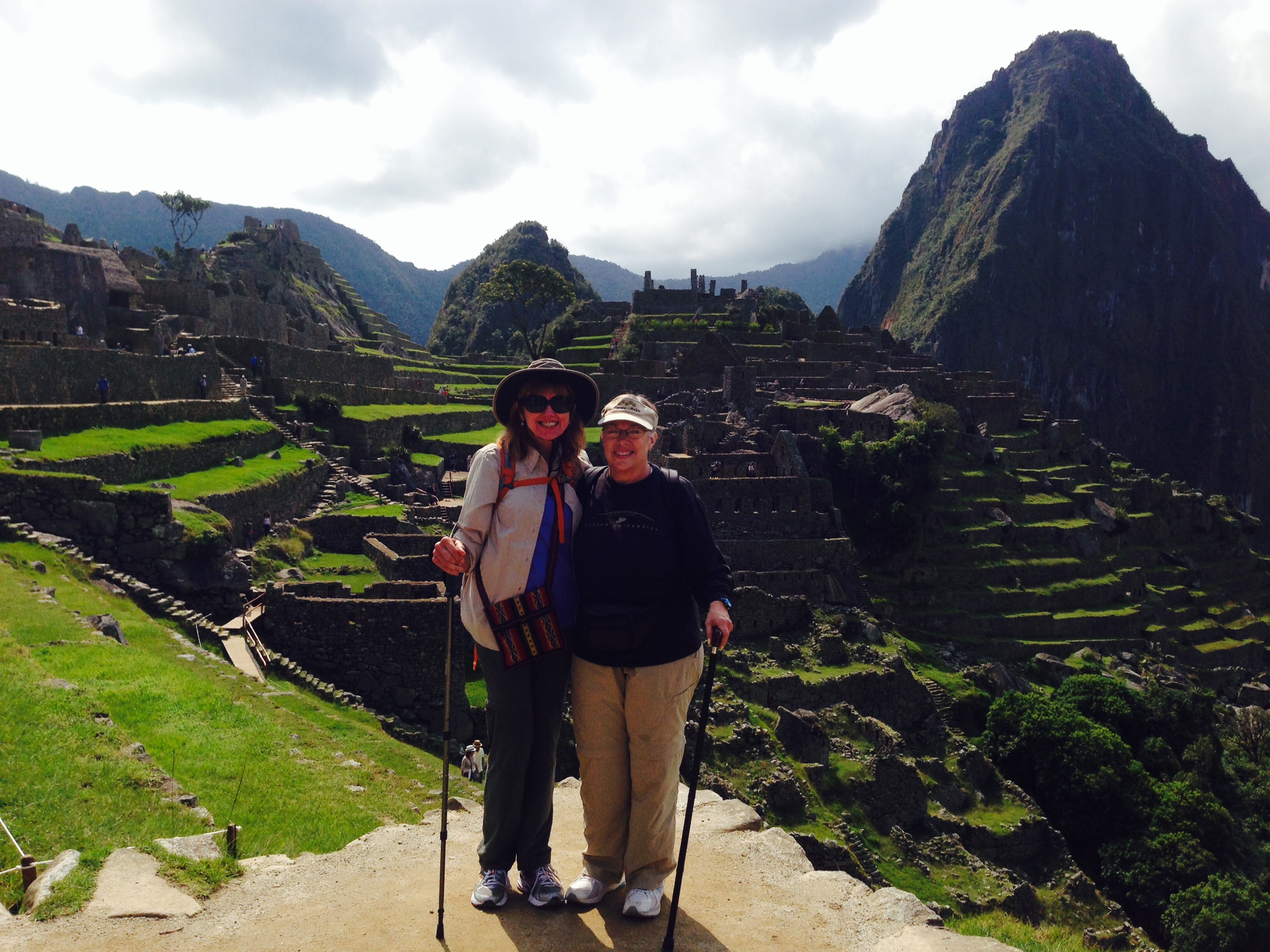
The day I have been anticipating since I arrived in Peru-seeing Machu Picchu-arrived.  Located in the Andes mountains, Machu Picchu was built by the Incas in 1450 as an estate for the Inca Emperor Pachaculti.  It has frequently been called the “Lost City of the Incas” by mistake.  About a hundred years after building Machu Picchu, the Incas abandoned it because the Spanish were conquering the area.  They left guards at all of the entrances, and none of the Incas told the Spanish about its existence.  Vegetation grows quickly in this area, and soon all of the entrances were covered with trees and shrubs.  Although the locals knew of its existence, it wasn’t until Hiram Bingham from Yale  rediscovered it in 1911 that the rest of world learned about Machu Picchu.

We left our hotel in Urubamba and took the train from Ollantaytambo, the massive Inca fortress we visited the day before to Aguas Calientes, which is the town of Macchu Pichu.  From there we took a thirty-minute bus ride up a narrow road to the entrance of Machu Picchu.
machupicchu1

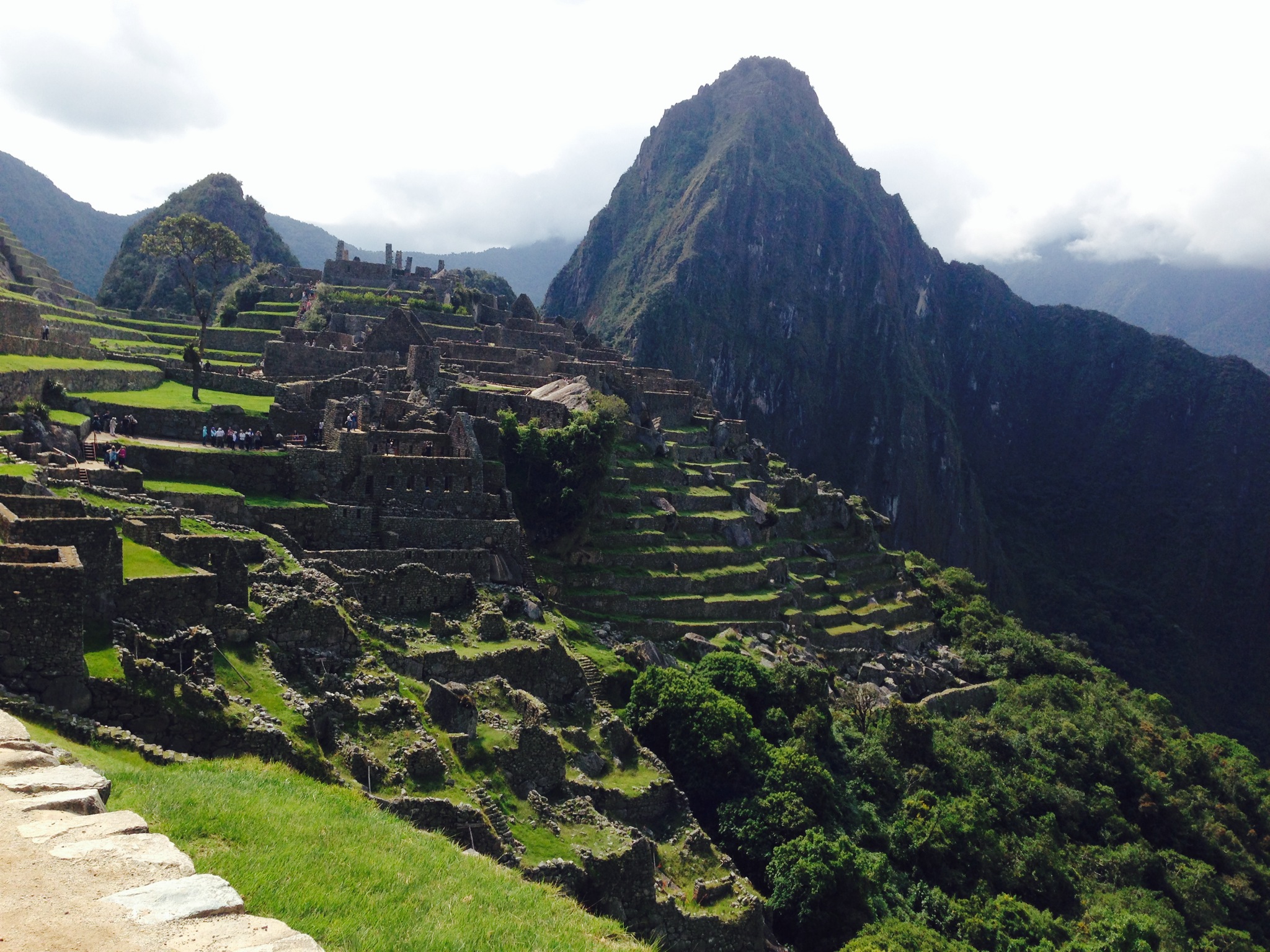
Someone told me pictures don’t do Machu Picchu justice, and it is true. But I still have to share some of the amazing views.
machupicchu2

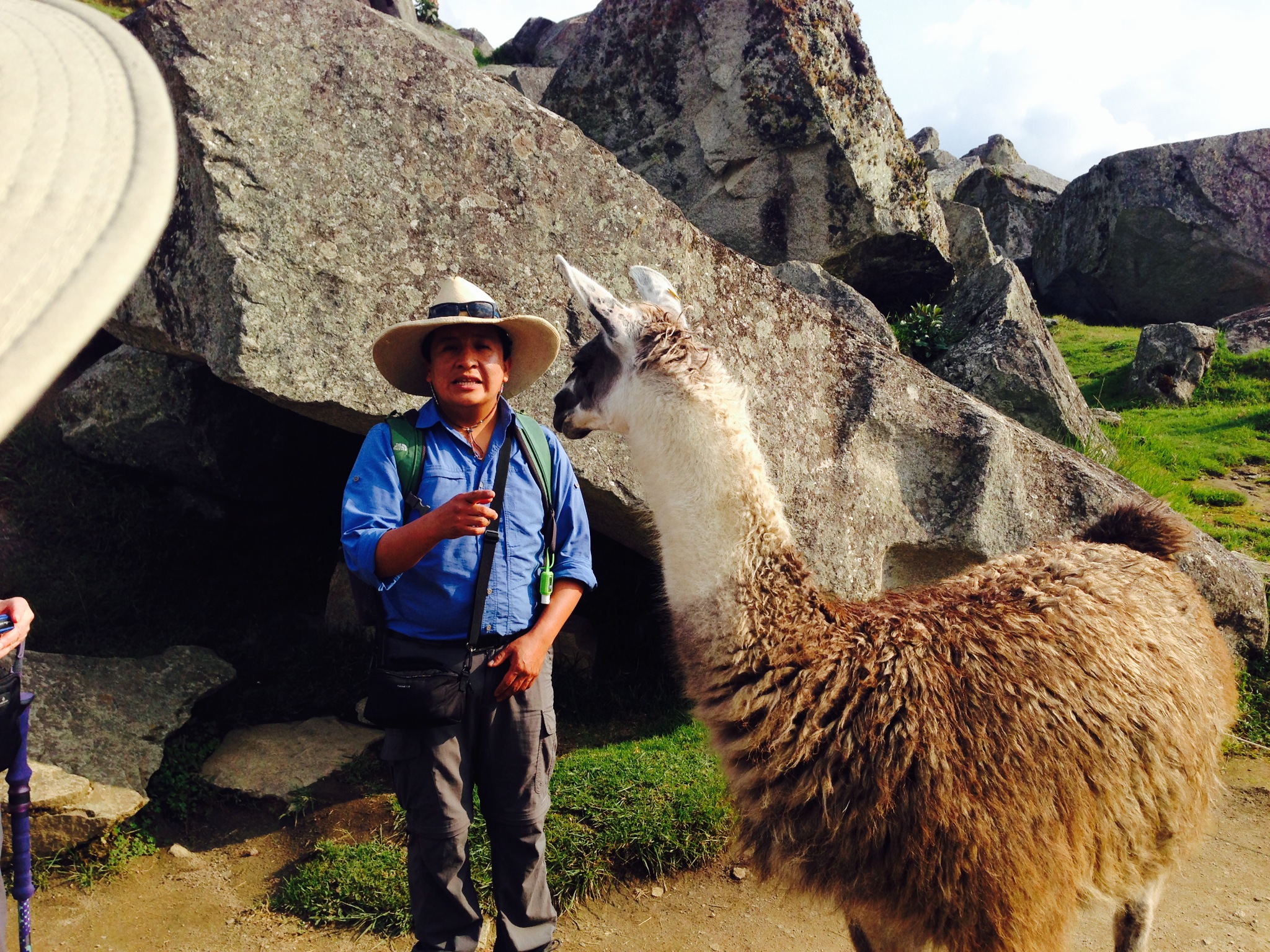
Llamas live on Machu Picchu and one of them was quite friendly. First she visited our guide Freddy, and then came to see me because she could smell the lemon drop I just put in my mouth.
machupicchu3

Who would think I would run into friends from Minnesota two days in a row. Not only did I see my good friends Jon and Trish, but I also saw a few other people I know who were traveling with them.

After our guide gave us a wonderful orientation to the history and significance of Machu Picchu, we hiked to the guard house and the astronomical observatory.  Scientists have confirmed that the stone at the top of the astronomical observatory points exactly to the four cardinal directions. Tomorrow we are leaving at 7:00 am to hike to the top of one of the surrounding mountains to the sun gate.
A Day in the Life, part 2

Our wonderful opportunity to experience how people in the Sacred Valley live continued today. Part of what makes these experiences so special is that many of the people live like the Incas lived five hundred years ago.

Our first stop was a return visit to the bar where we tasted corn beer the day before. We learned how to play sapo, an ancient Incan coin toss game that is still enjoyed today. It consists of tossing brass coins toward a box with slots. Getting a coin through the brass frog’s mouth yields the highest points.

photo 3

After that we visited a typical farmer’s house and met the family. I think the Peruvians were the original sustainable farmers and continue their ancient farming practices today. Their crops are grown organically, and they almost always plant multiple crops together to nourish the soil and repel bugs. Most farms are just a couple of acres.

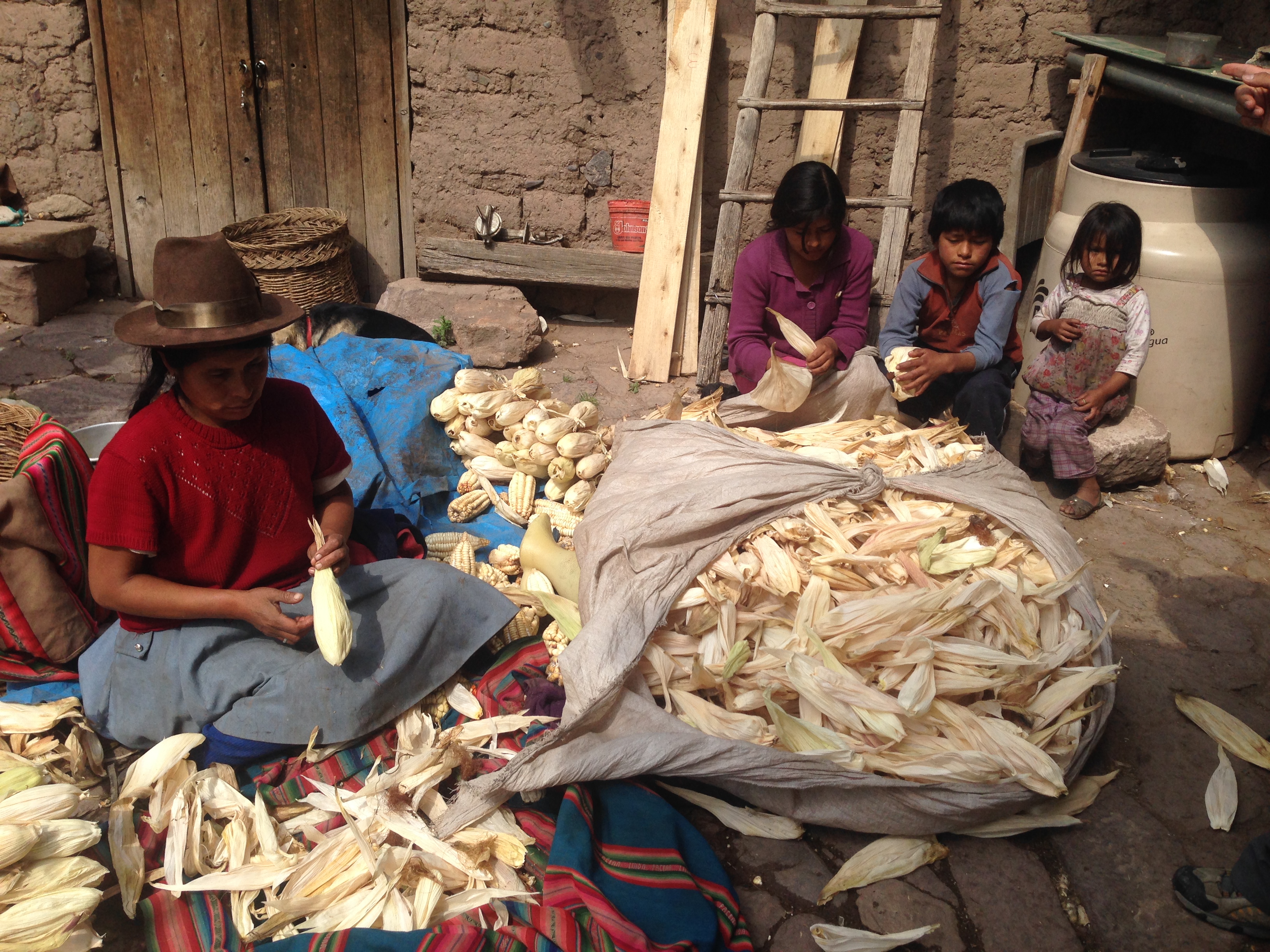
The woman below and her children are tying the corn they dried to make tamales (what they call corn bread.)

corn

A Day in the Life

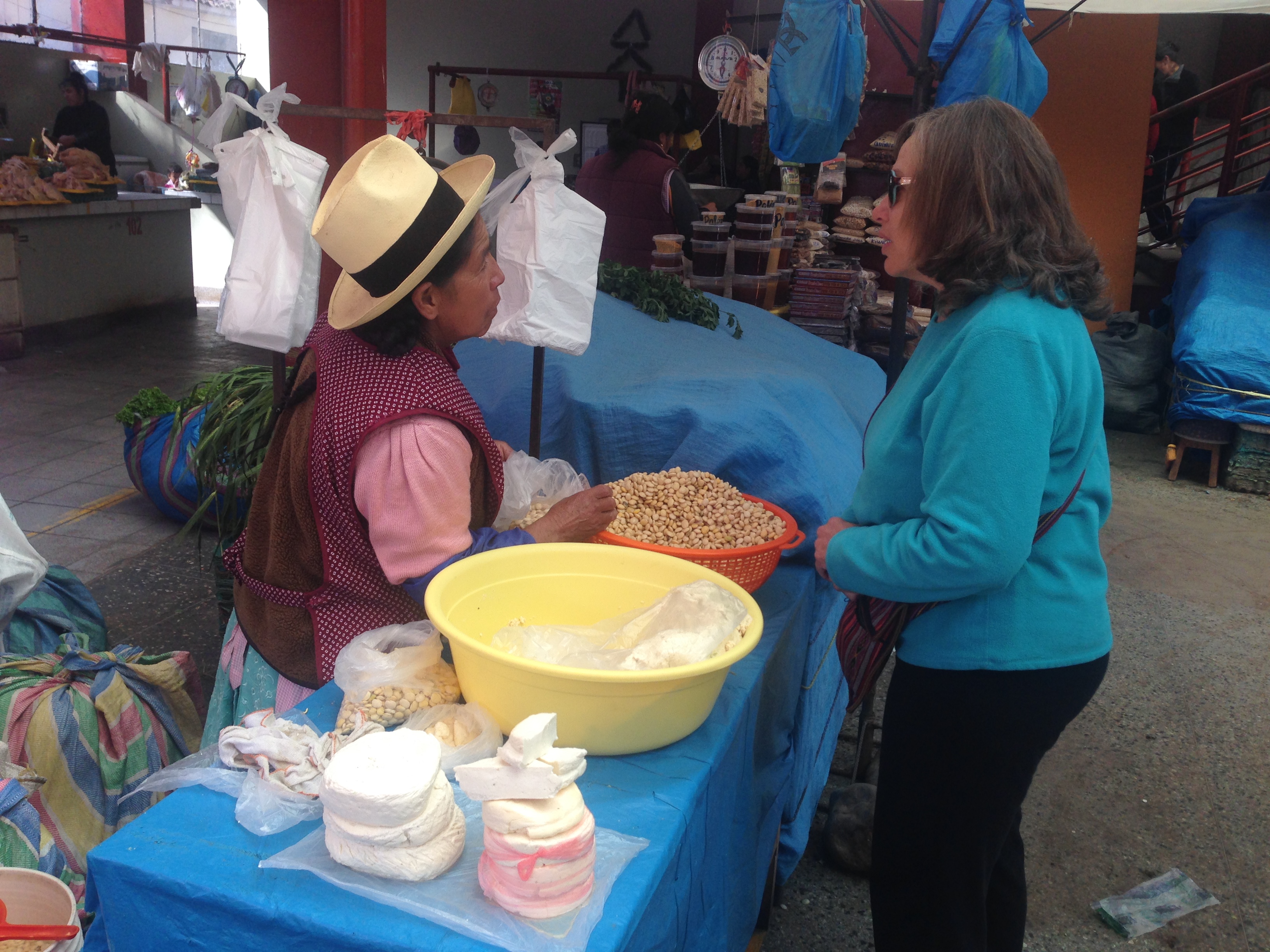
Today was devoted to helping us experience life in the Sacred Valley. Our guide gave us each a food item to purchase at the market and taught us how to ask for it in Spanish. The market was filled with beautiful produce, including about thirty different kinds of potatoes. The vendors were so helpful and directed us to the right part of the market to find our item. Here is Gail paying for her tarwi, a type of white bean.
photo 1

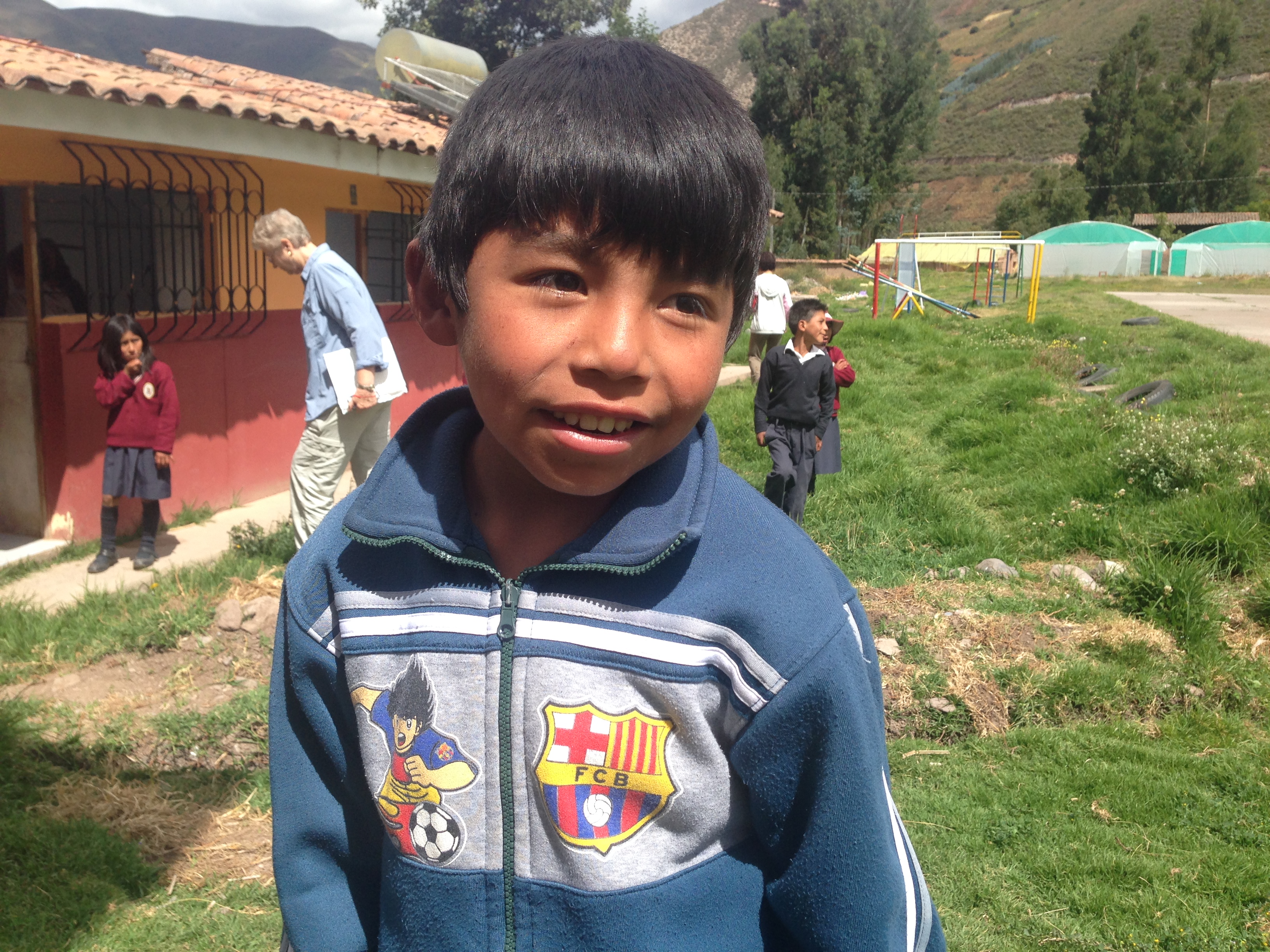
After that we went to a school that is partially supported by the travel company we used. After driving up a narrow, steep dirt road, we were greeted by twenty enthusiastic fourth graders who grabbed our hands and escorted us to their room. Free education is still relatively new and the children value the opportunity to attend school. Some of the children walk an hour each way to get to school. Juan, my guide read to me and showed me his workbooks and gave me a big hug when I left.

photo 2

From the school we went to Ollantaytambo, the Inca fortress which is one of the few places the Spanish lost a battle during the conquest of Peru. Climbing up the huge terraces that guarded the ancient hill-top temple, I saw good friends Jon and Trish from Bemidji. I also got to test my altitude endurance.


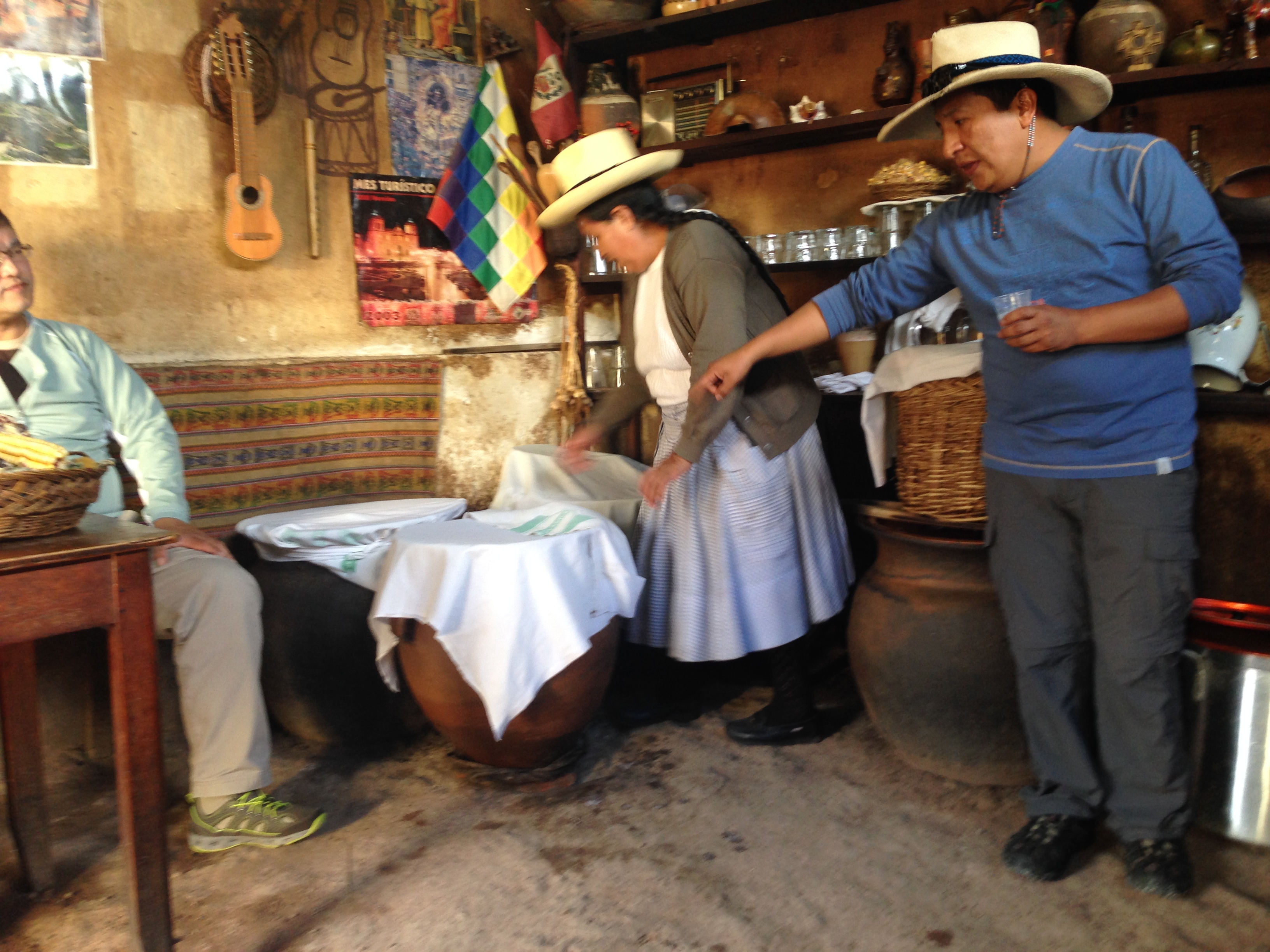
On the way to our home-hosted lunch we stopped at a little bar for a demonstration and taste of ajha, a mildly alcoholic (.5%) drink made from corn. We tried both the yellow and pink versions.

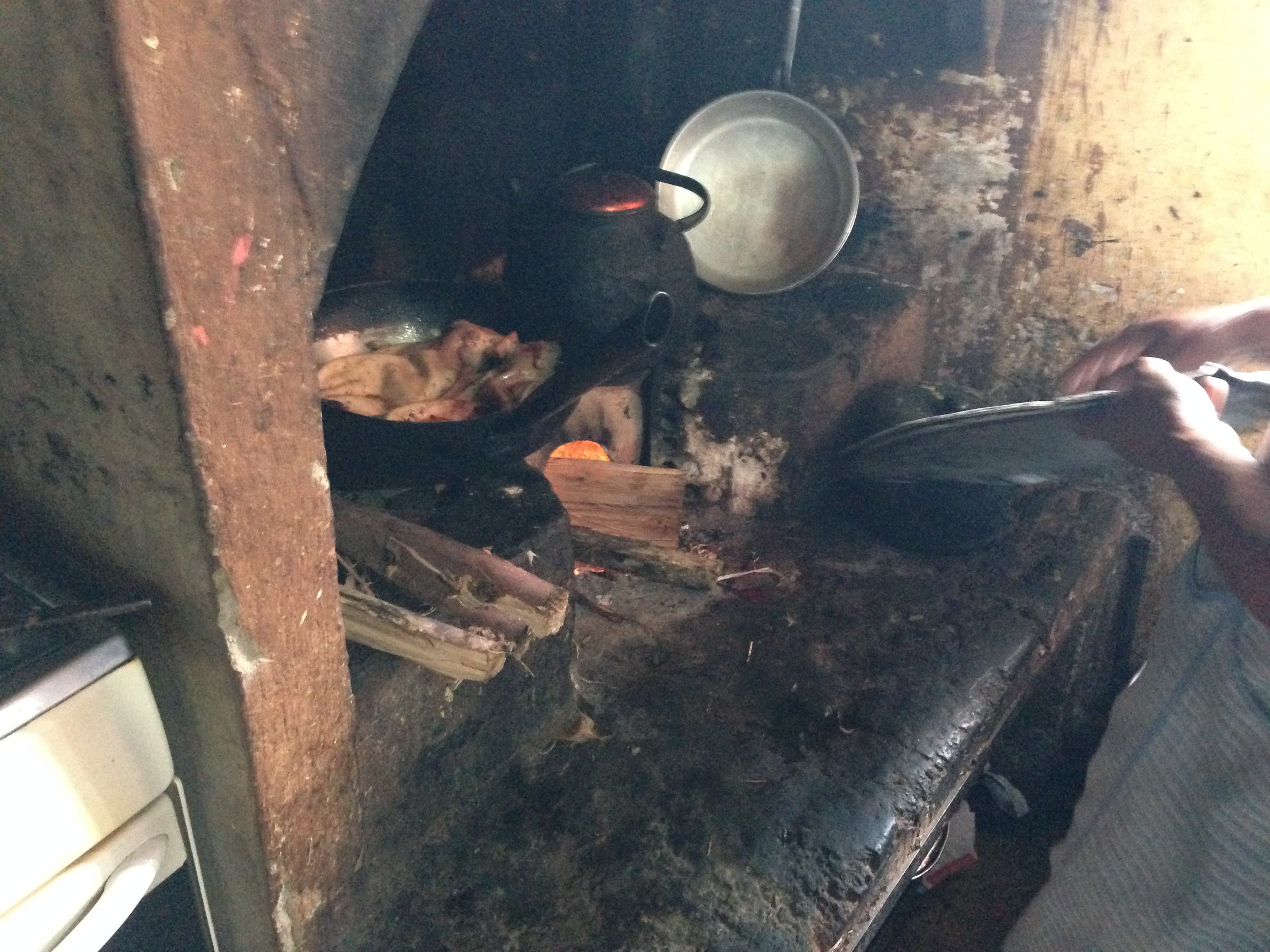
The highlight of the day was lunch in the home of a middle-class family and a chance to observe the preparation of cuy, the traditional dish served on very special occasions. Since cuy is guinea pig and the preparation starts with a live guinea pig raised by the family, I wasn’t sure if this was an activity I wanted to experience. But preparing and serving cuy is an important part of Peruvian tradition, so I decided to give it a try. It was easier to watch and tastier to eat than I expected.

cuy

We ended the day at the pottery studio of Pablo Seminario, an artist who has researched traditional Inca techniques and has his work in the Smithsonian Institute and Field Museum.

The Weavers

Today we flew from Lima to Cusco, the center of the Inca Empire.

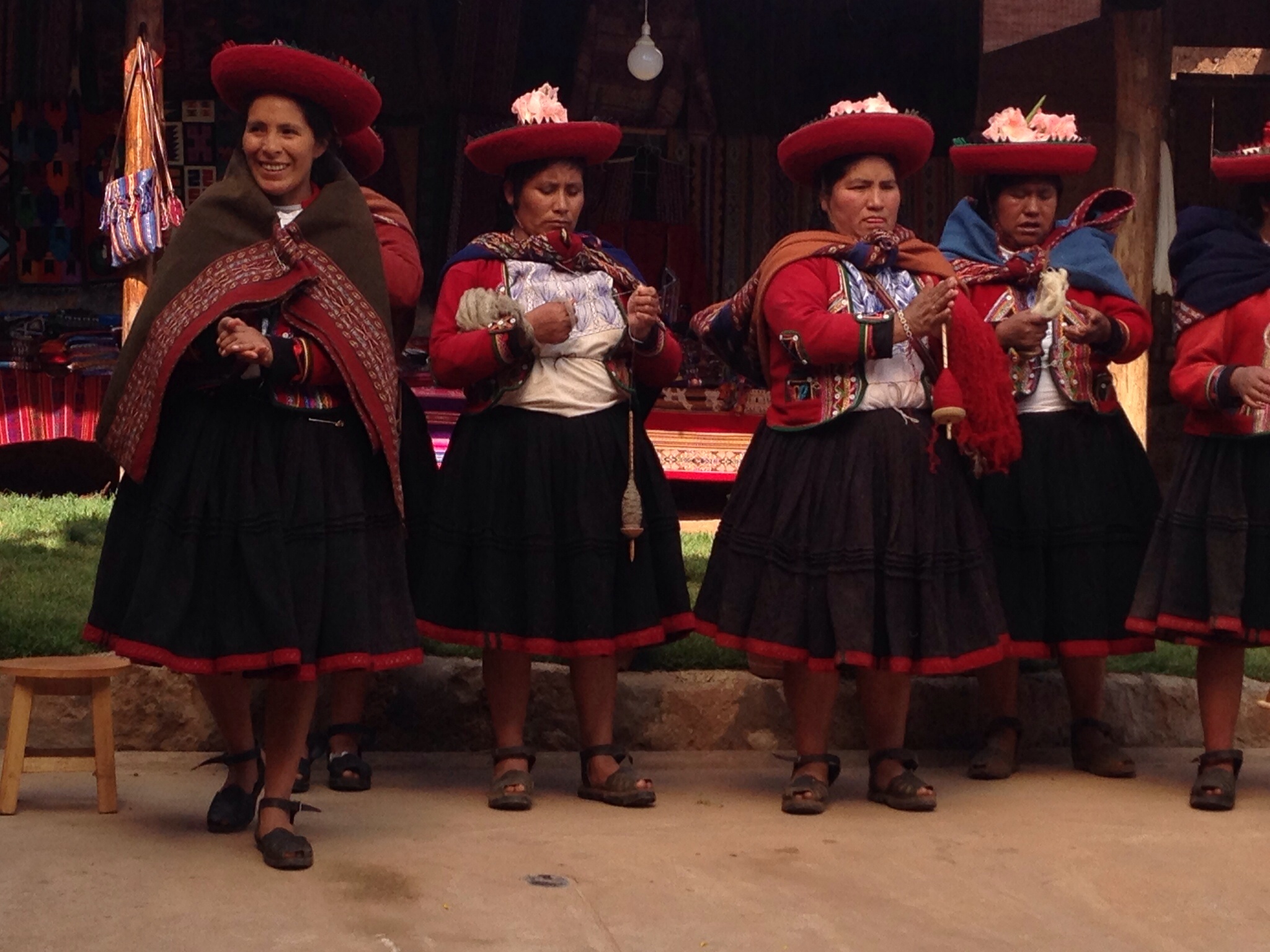
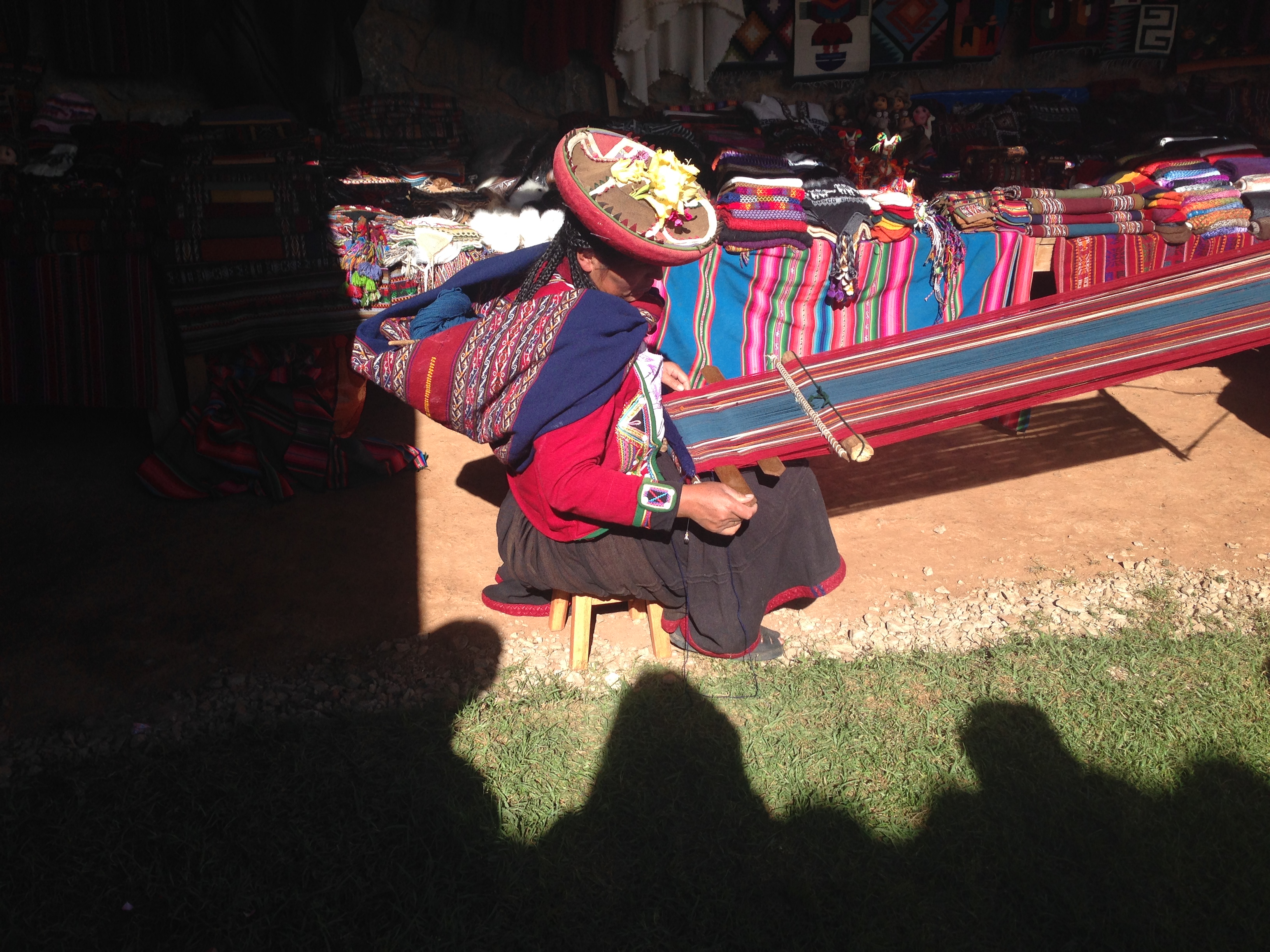
The highlight of the day was a visit to a weaving center where descendants of the Incas harvest, clean, spin, color and weave sheep and alpaca wool into beautiful blankets, sweaters, purses, table runners and other colorful items. Dressed in traditional Inca clothing they demonstrated each step of the process.

image

Some of us got to try the different steps in the process, and I quickly discovered that it is much harder than it looks.  Although little girls learn to spin at age seven, I don’t think any of my wool actually got on the little spindle.

It was so moving to see these women practicing a craft the way it was done five hundred years ago.  And they work so hard.  The table runner that I bought took two months of weaving five hours per day to complete.

photo 1

Before the demonstration started, the women served us coca tea.  People in the highlands use coca tea to mitigate the effects of high altitude.  It is also a great energy drink.  I was so excited to try it and was hoping to bring some back.  Unfortunately our guide told us it was not allowed in the US because it has cocaine in it.  Too bad for us because it is a delicious super food, loaded with nutrients.

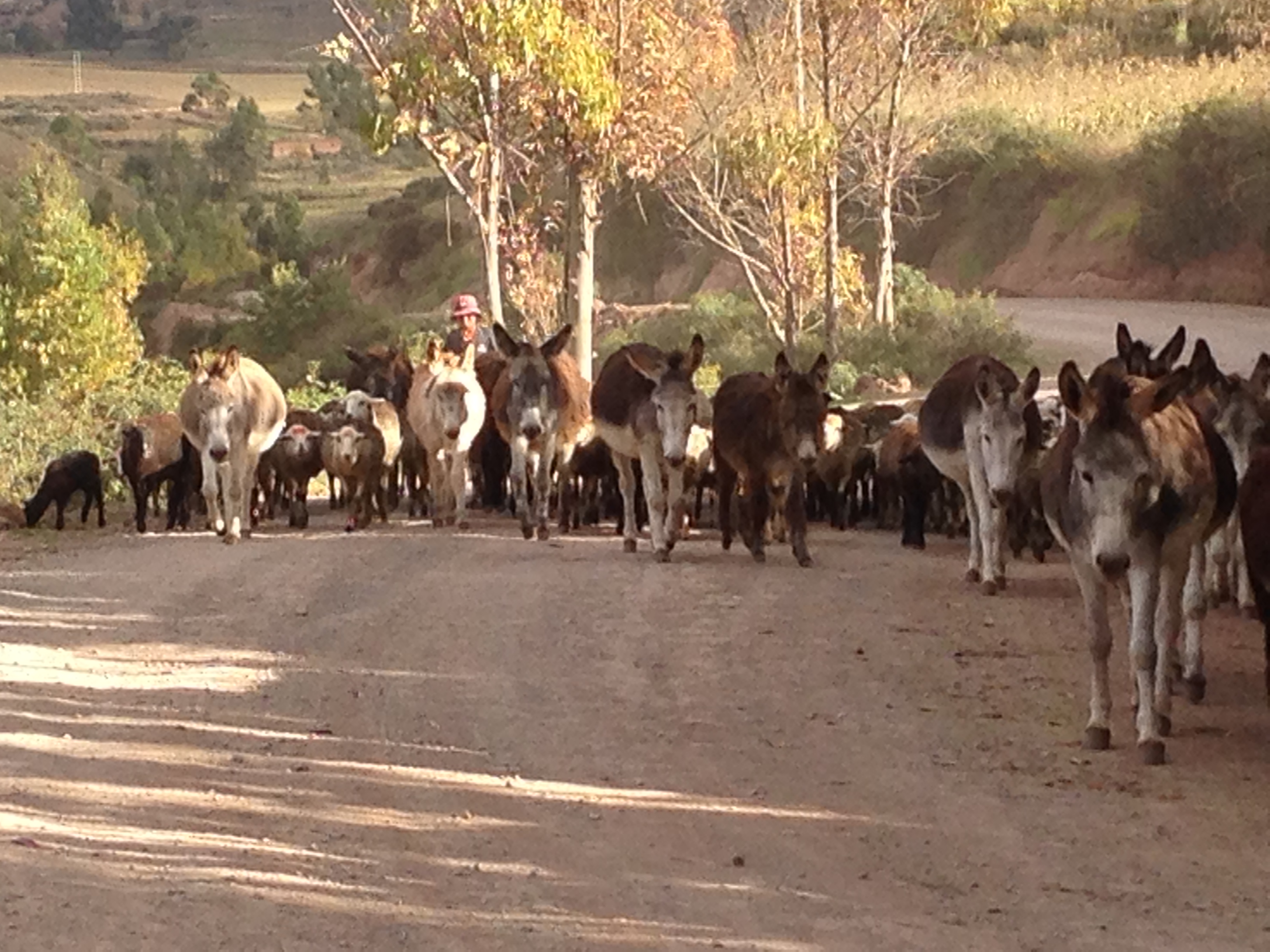
Driving through one of the dirt roads in the Sacred Valley, we came upon a young boy bringing the family sheep and donkeys home.  With one small rod, he was able to move his sizable herd to the side of the road so we could pass.

photo 2

First Day in Peru

5:40 AM and we are here! After the fastest and friendliest experience I have ever had with customs, we head to our hotel.  Our drive takes us from  one of the grittier parts of Lima to the beautiful miles of sandy coastline along the Pacific Ocean.

Our little hotel has beautiful courtyards and a huge plumeria tree by the entrance.  Wanting to experience Peruvian life as quickly as possible, I ordered a  yummy stone ground corn pancake for breakfast that tasted like sweet corn bread.

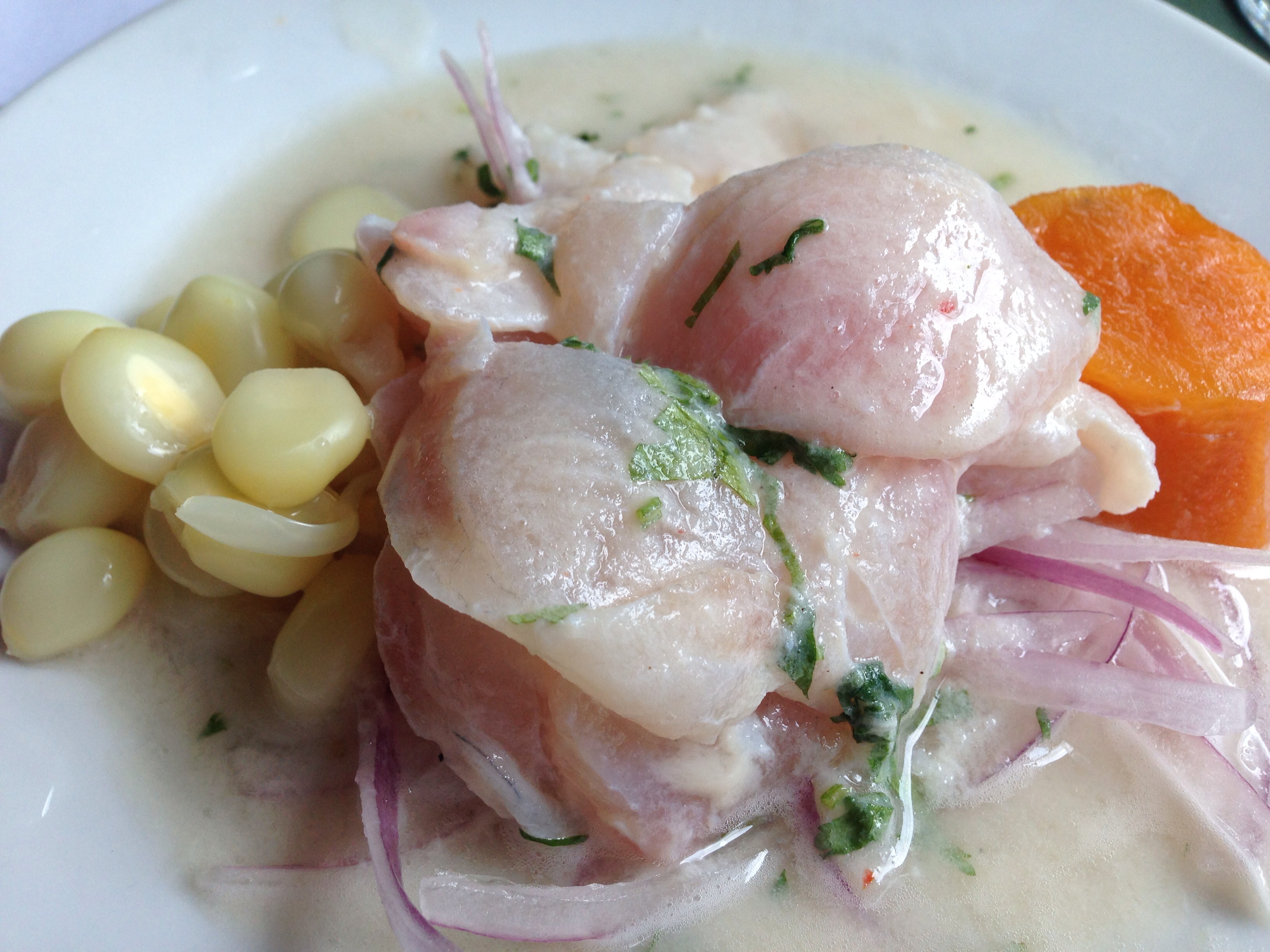
Lunch was a wonderful Peruvian feast of amazing ceviche,  grilled vegetables and flan.

image

After lunch we visited the highlights of Lima, a city of nine million people.  Highlights included touring the catacombs under the Cathedral where all of the bones had been sorted and organized and the beautiful government buildings where the flags were flying at half-mast in memory of Gabriel Garcia Marquez, Nobel-prize winning author adored by all of South America who died on April 17.

The Peruvians are proud of their heritage and long history.  The Lima National Museum of Archaeology chronicles the accomplishments of different Peruvian civilizations dating back 14,000 years before Christ.

Driving through the center of Lima we saw the decaying buildings and facades of abandoned houses left after the residents fled the terrorist activities of the 1980s and 90s.

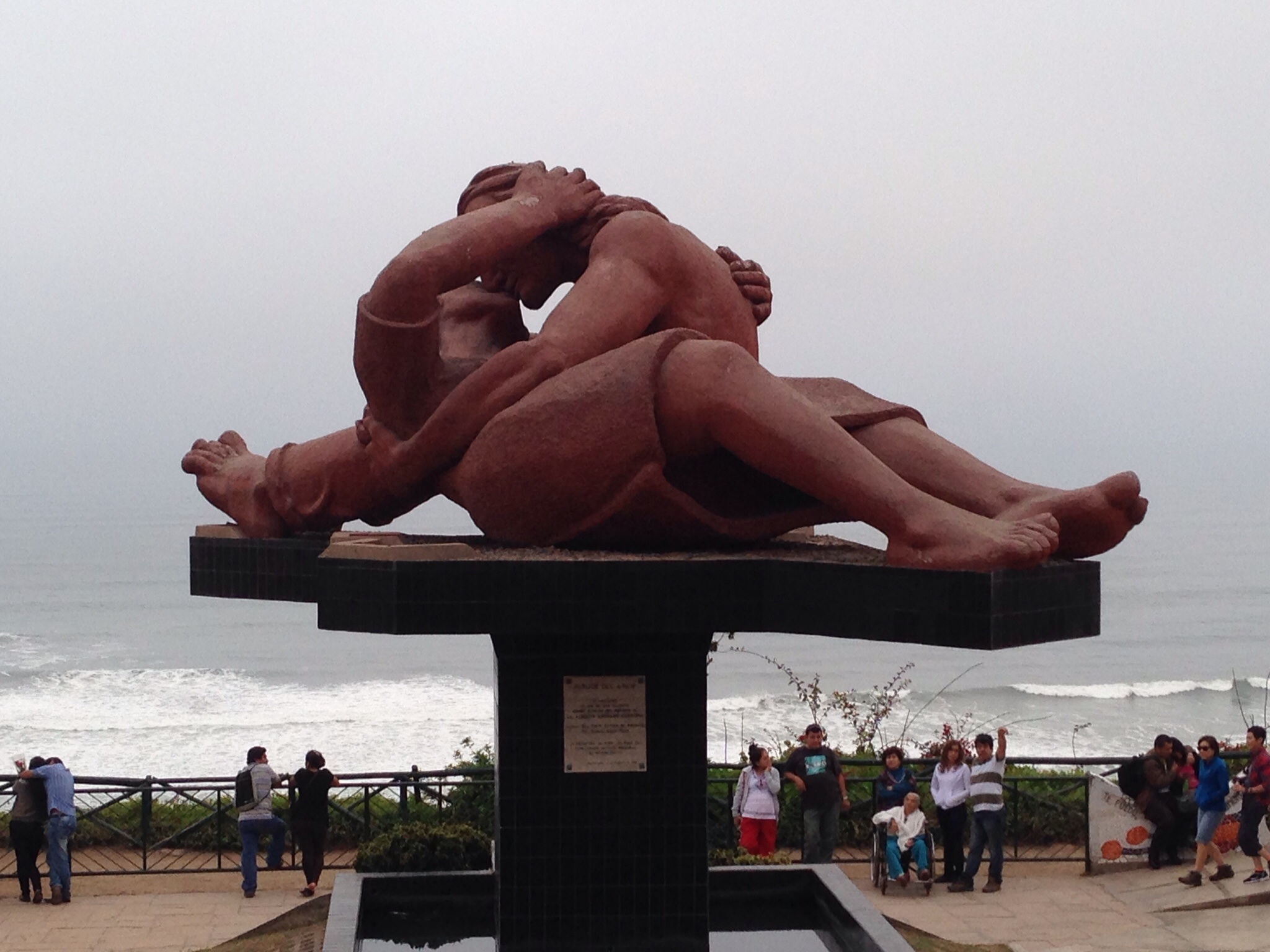
We ended the day at Love Park on the Pacific Ocean.  Our guide told us they hold a kissing contest every Valentine’s Day but didn’t tell us how the contest was judged.

image

South America, Here I Come

Hiking shoes, wet suit, snorkel gear, walking stick, Spanish phrase book, altitude medication-all packed and ready to go.  This afternoon I start my dream journey to Machu Picchu, the Galápagos Islands and other exciting destinations in Peru and Ecuador accompanied by good friend and fellow adventurer, Gail.

Machu Picchu has been on my dream destination list for years.  Built by the Incas around 1450, Machu Picchu sits on a mountain ridge above  the Sacred Valley. Although it is not the “Lost City of the Incas”, as it is sometimes mistakenly called, it is a mystical and sacred spot.

machu-picchu-wider-view

During the sixteen days of our trip, we will take five internal flights, climb 5,000 steps, and spend four days on a small ship in the Pacific Ocean. It will be like a South American version of  Trains, Planes and Automobiles.

Since internet access is unreliable (like hot water and electricity) in some locations, my posts may be sporadic.

Aix-les-Bains

We spent our last few days in Paris-not in Paris.  We took a three-hour, high-speed train ride to Aix-les-Bains, a beautiful town in the Alps region of southeast France, to visit our friend Aurelie and her new husband Jeremy.  I was Aurelie’s counselor when she was in the Rotary Youth Exchange program.  We were so sad to miss her wedding but delighted that we were able to get together just two months after her big day.

Aix-les-Bains is on Lac du Bourget and has beautiful mountains on either side.

Image

On Saturday morning Aurelie walked to the boulangerie for all kinds of wonderful croissants and French breads for breakfast.  She, Paul and I went to the market for fish, cheese, meat and vegetables for dinner.  Everything we got was grown or made within a few miles of her town.  Aurelie chose a wonderful variety of cheese.

Image

Paul was especially impressed with all of the different kinds of sausage.

Image

When we got back, Aurelie and Jeremy made a five-course lunch for us.

Image

We started with an appetizer of sausage, pesto biscuits and champagne.  This was followed by the entree (what we call an appetizer) of vegetables and two kinds of homemade bread, alpine and country.  Jeremy chose wine from the region for both lunch and dinner that evening.

Image

The plat (main course) was a baked pasta dish made with Les Crozets pasta from Savoie.  Then we had the beautifully presented cheese course and we ended with dessert.  That really wasn’t the end of lunch because we then went to visit Aurelie’s parents for coffee. So, really it was a six-course lunch.  Paul and I are still trying to figure out the French paradox-how the French stay so thin.   It was great to see Cathy and Serge again.  A friend and I had stayed with them nine years ago when we combined a trip to see Aurelie with a visit to Samantha who was doing a study abroad in Spain.

Image

This is the beautiful view of the Alps from their back yard.

Image

From there we went to Chambery, a town about the size of Aix-les-Bains.  Once again, we were so impressed with how old structures are valued and maintained.

Image

After exploring Chambery, we did a little hiking on Lac du Bourget.  We ended the day with another lovely meal prepared by Aurelie and Jeremy.  Jeremy shared a special drink with us that he and his father prepared together.  Gnole is a liqueur  made with various fruits.  The one we had was made with mirabelles, the little plum-like fruit we discovered at the market when we first got to Paris.

Image

The next morning we left to come back for our last day in Paris.  Our visit with Aurelie and Jeremy was a wonderful way to end our wonderful month living in Paris.

Image

Tomorrow morning we head home and are looking forward to seeing family and friends.

Musee d’Art Moderne de la Ville de Paris

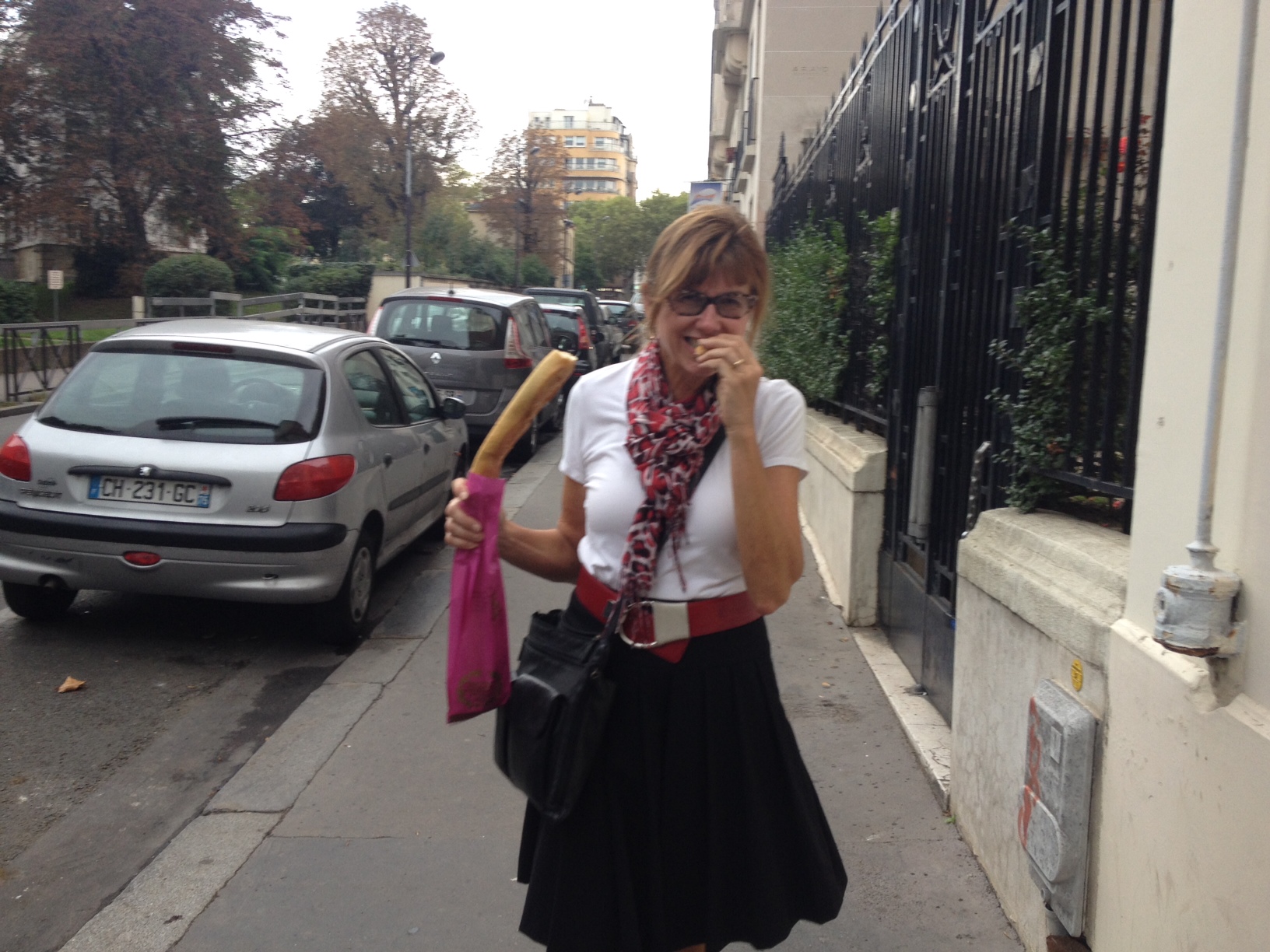
One of my favorite images of Parisians is of them walking down the street eating a baguette fresh from the boulangerie.  So after a great day of seeing beautiful art and city scenes, we got a baguette and ate a bite on the way home. I felt so French.

Image

At lunch today we had our first crabby French waiter, at least at first he was crabby.  By the time we left, he was making jokes and exaggerated gestures.  We are not sure what changed, but he ended up being quite enjoyable.

We have been discussing why the Parisians have a reputation for being unfriendly.  Our encounters with Parisian people have been positive.  Sometimes they smile when I speak French, but I have never felt it was critical, just amused.  And I can understand why my French attempts are amusing.  They are reserved and speak very softly which may make them seem less friendly than people in other countries.  I wonder if they don’t make eye contact on the street because they keep their eyes on the sidewalk so they don’t step in dog poop-something I have done twice since I am always looking around when I walk.

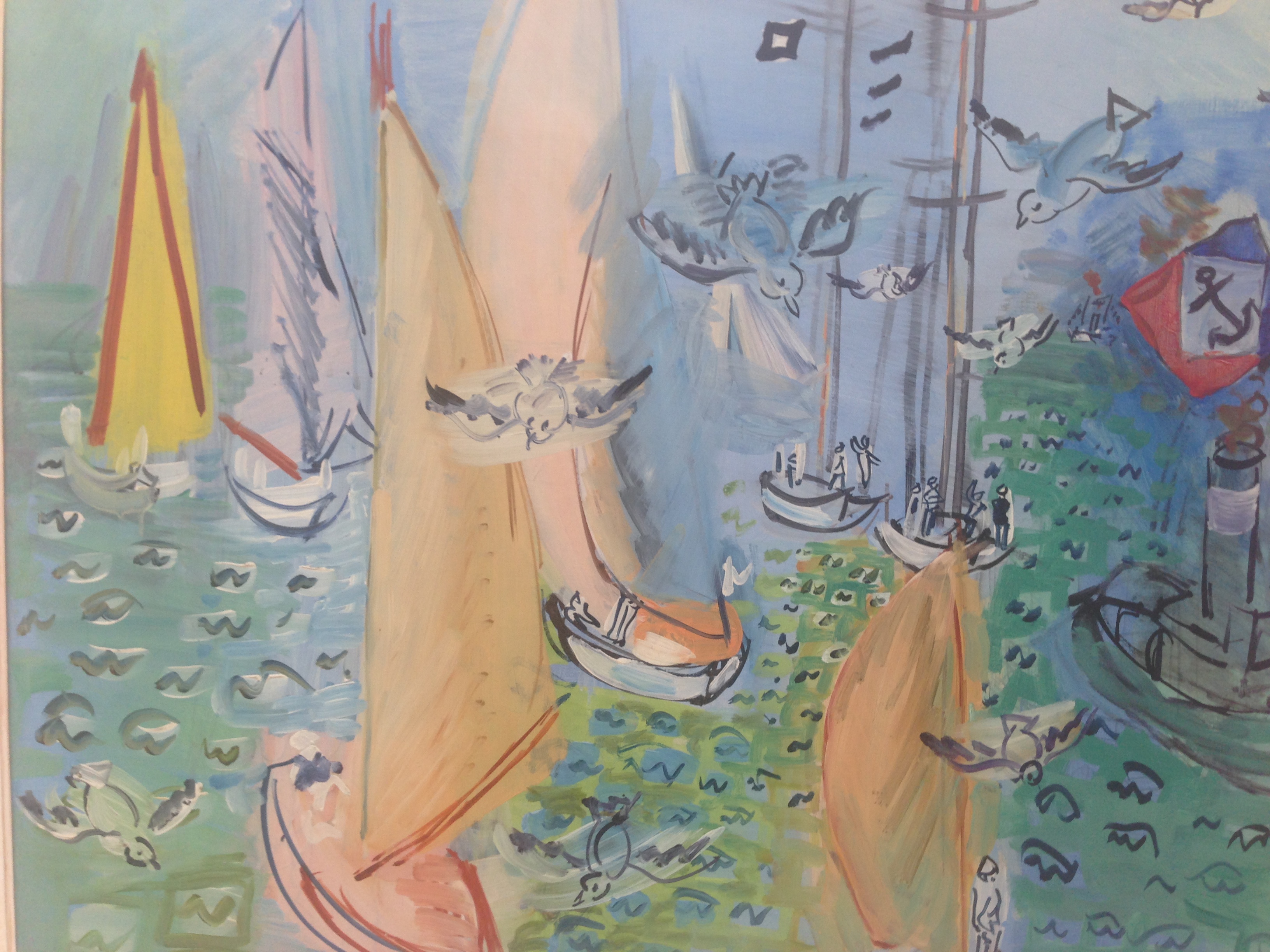
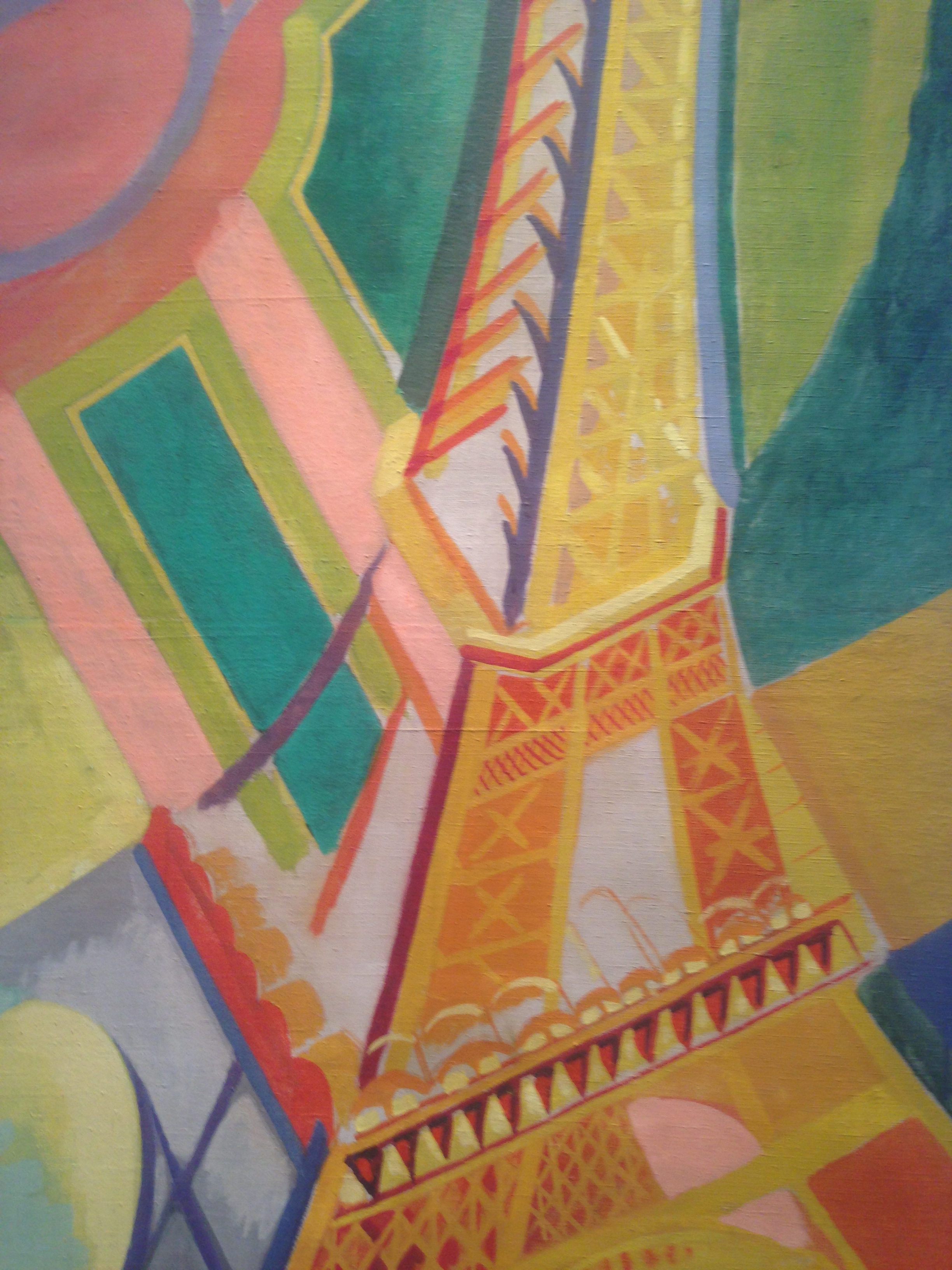
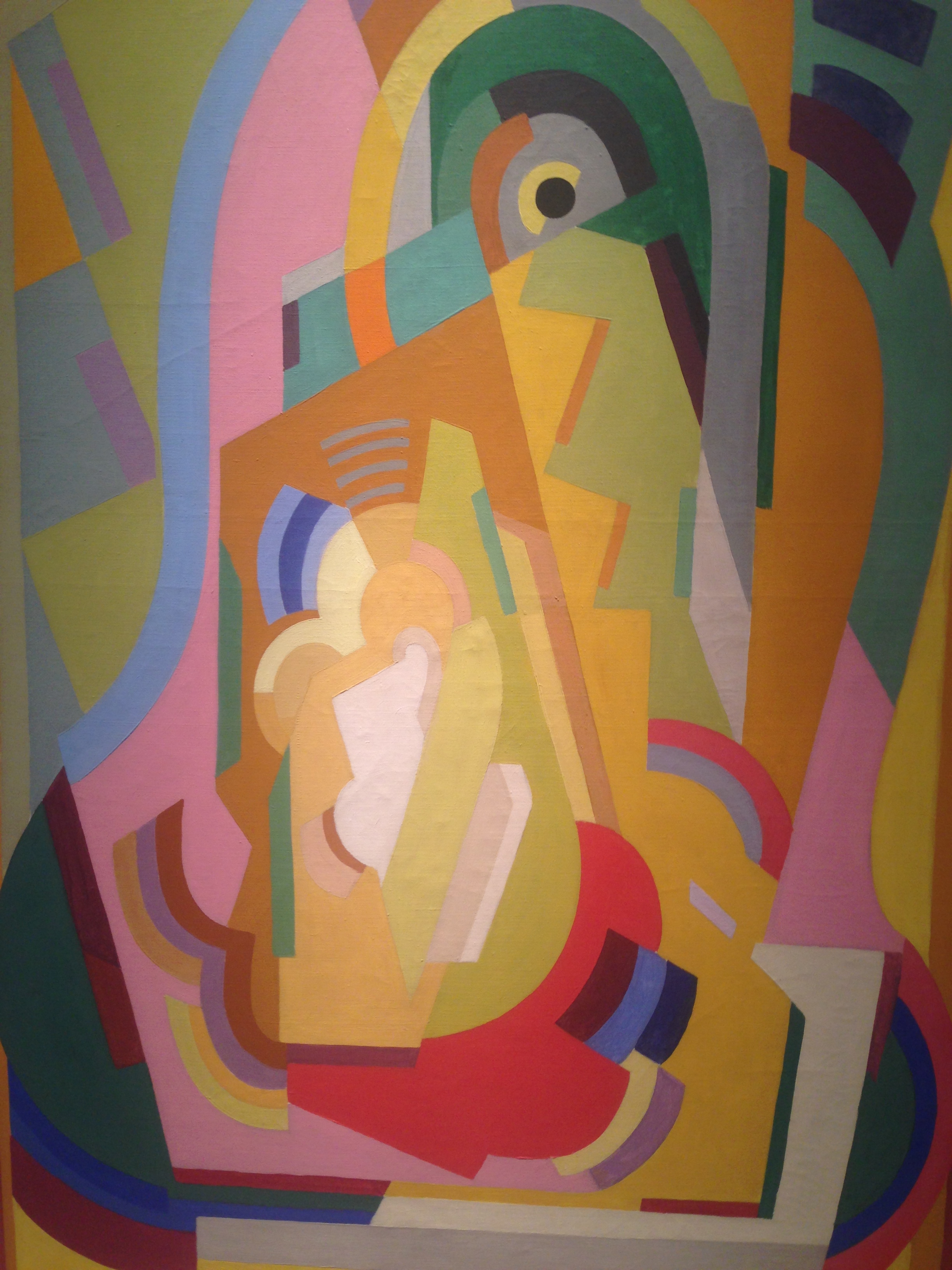
After a beautiful walk,, we went to the Musee d’Art Moderne de la Ville de Paris, a wonderful art museum dedicated to modern and contemporary art of the 20th and 21st centuries.  I wasn’t familiar with many of the artists but fell in love with some of the paintings.

Raoul Dufy:

Image

Robert Delaunay:

Image

Albert Gleizes:

Image

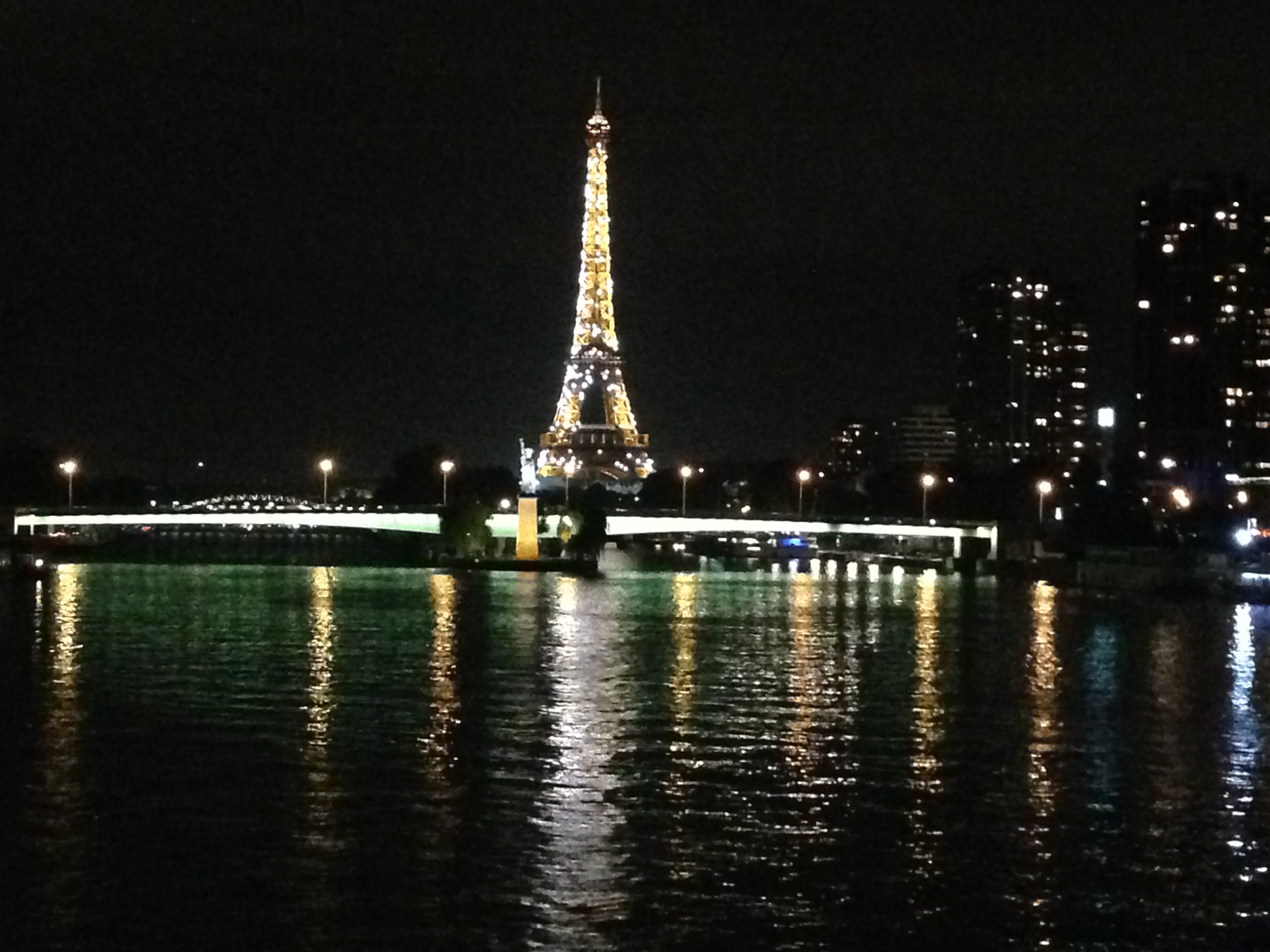
After dinner, we got off the Metro a stop early so we could walk home across the Seine.  For five minutes at the top of each hour at night, the lights on the Eiffel Tower twinkle.  It was a beautiful sight.

Image

Count Down

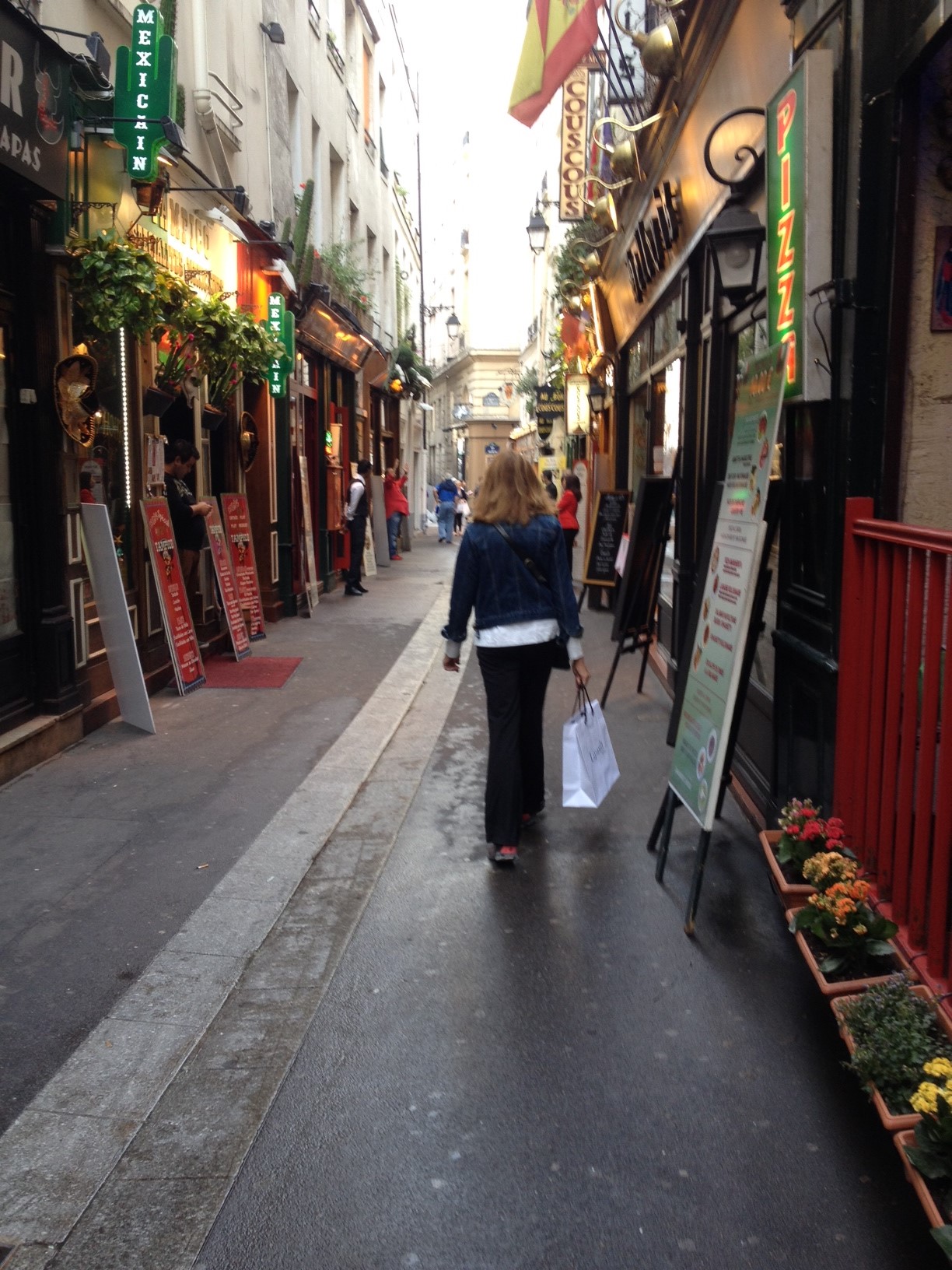
As our wonderful month in Paris nears its end, we find ourselves wanting to revisit some of our favorite places as well as see one more thing on our list.  (Really, its my list; Paul’s list was much shorter.)  Today we walked some of our favorite streets.

Image

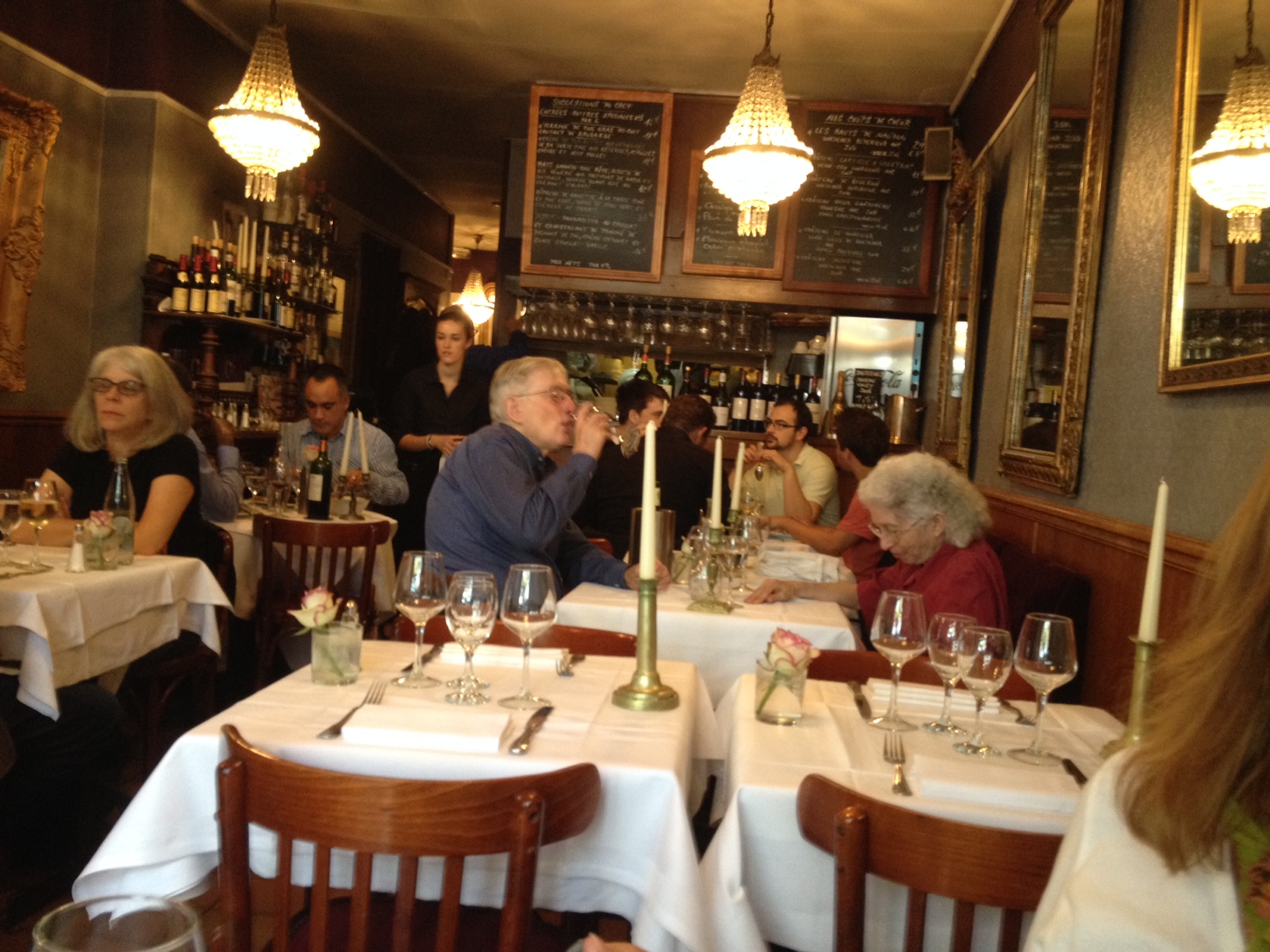
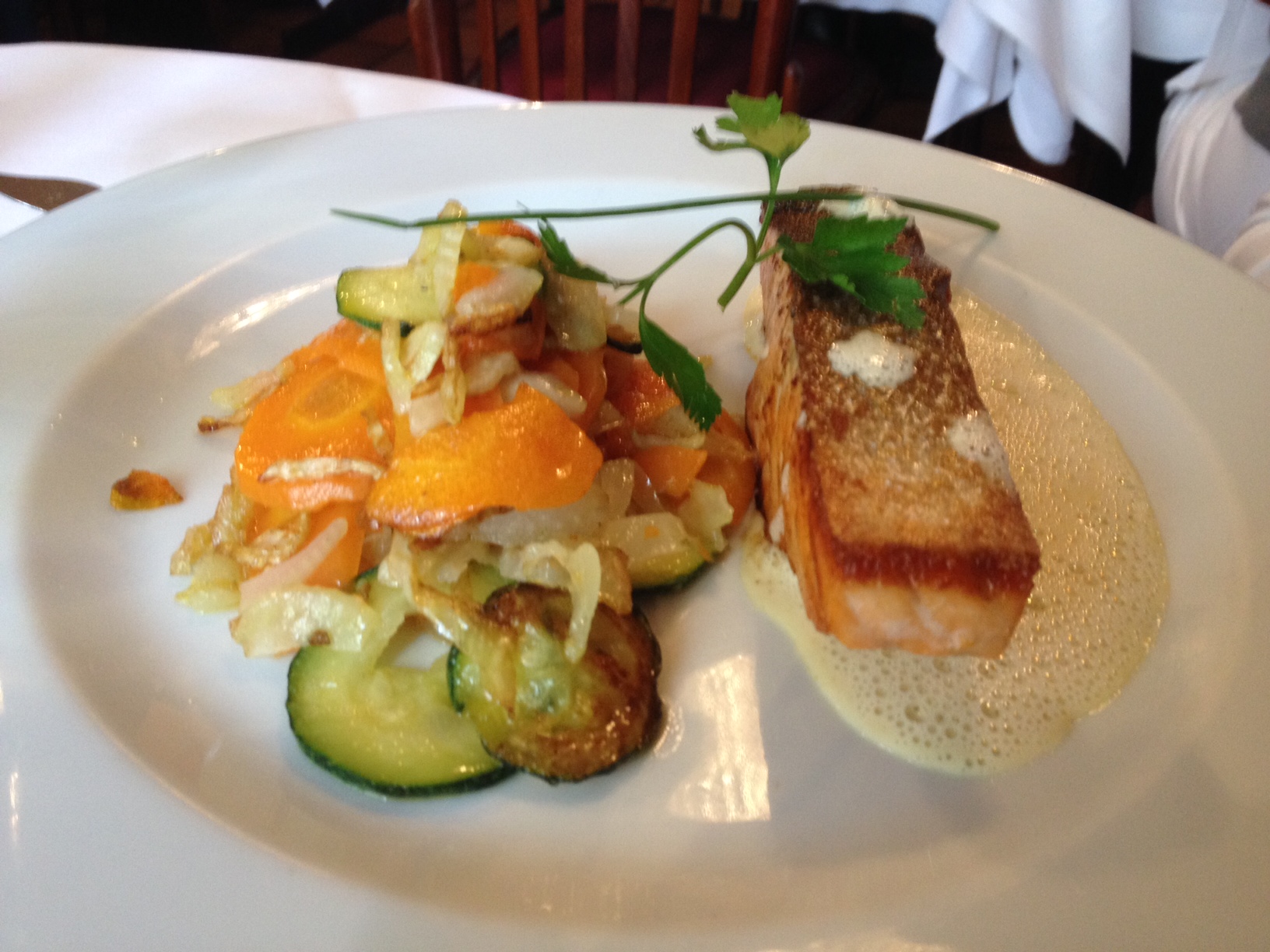
We ate lunch and dinner at two of our favorite restaurants, Le Reminet and Evi Evaine.

Image

Image

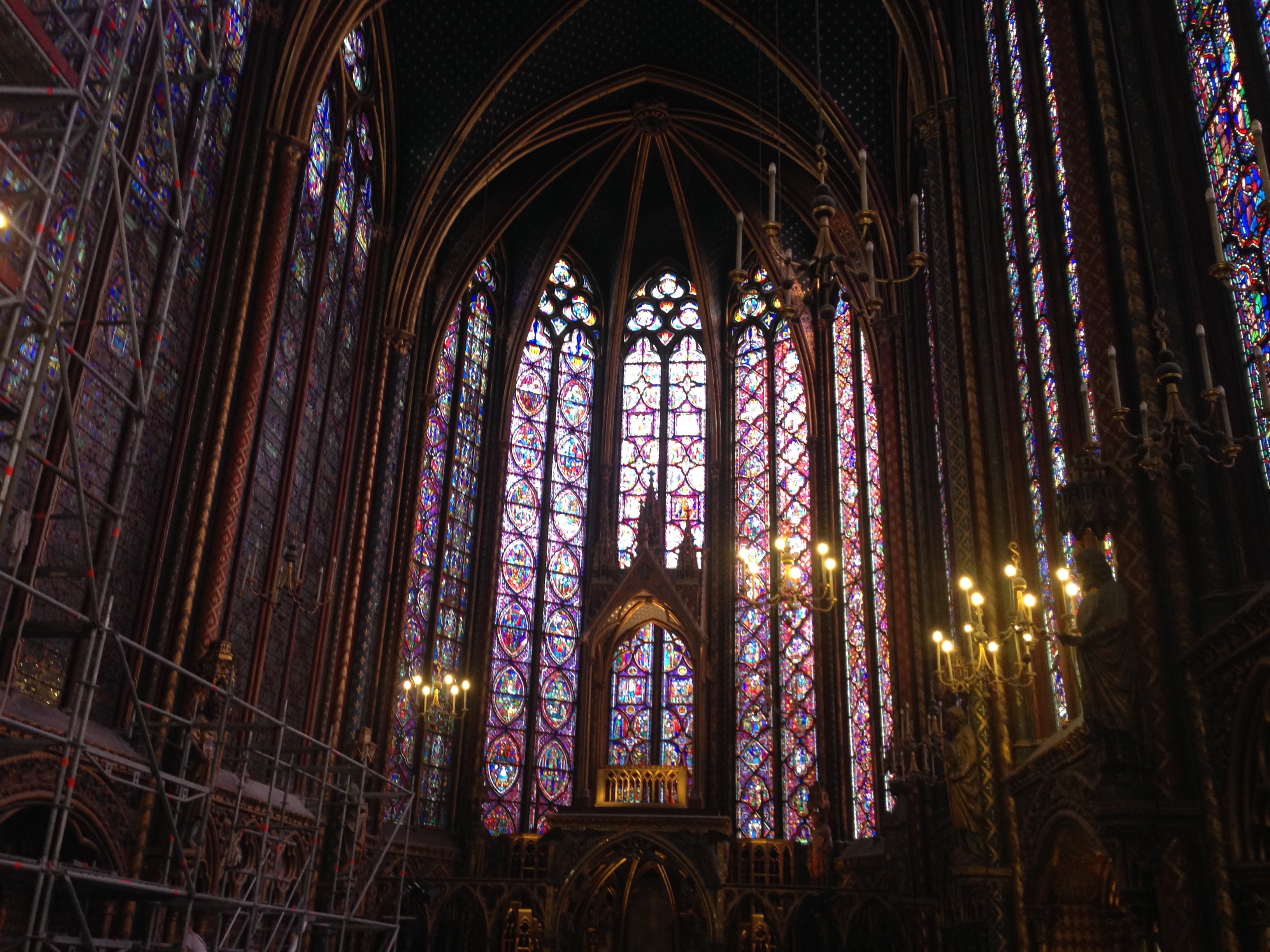
While Paul was working, I visited Saint Chapelle, one more place on my list.  This beautiful church, known for its stained-glass windows, was built in the 13th century to house the Crown of Thorns.  The huge stain-glass windows are amazing.  Window restoration work begun in the 1970s is almost complete.

Image


Wine and Cheese Tour

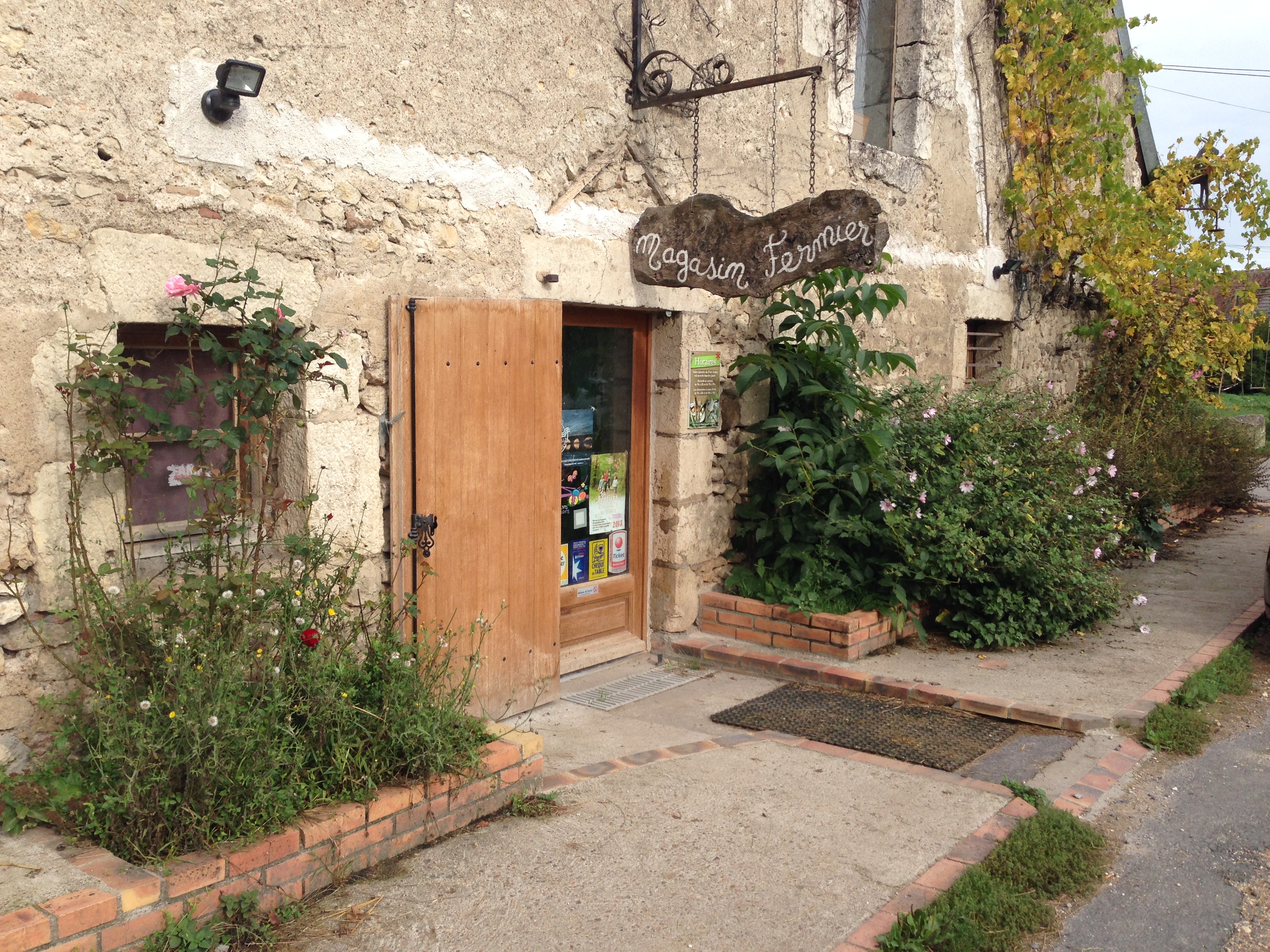
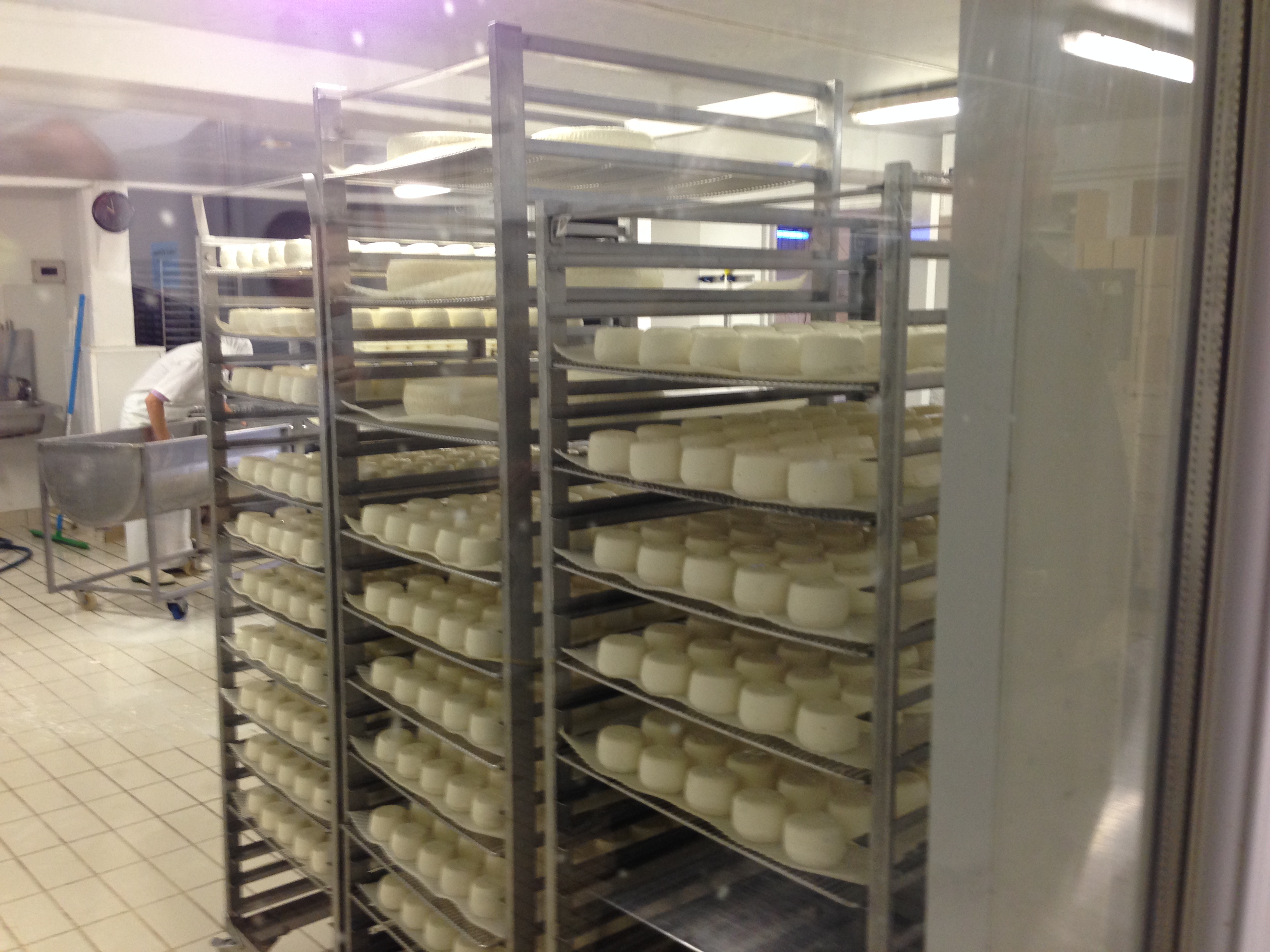
We traveled outside Paris today to tour the Loire Valley and Burgundy wine regions.  Our first stop was a goat farm and cheese factory where Crottin de Chauvignol, the most famous goat cheese of the Loire Valley, is made.

Image

We learned how they made the cheese and sampled cheese at different stages of ripeness.  It was amazing how much the cheese changed.  It went from “young and soft” to “bluish with a savory character” and finally to “mature with a strong flavor.”

Image

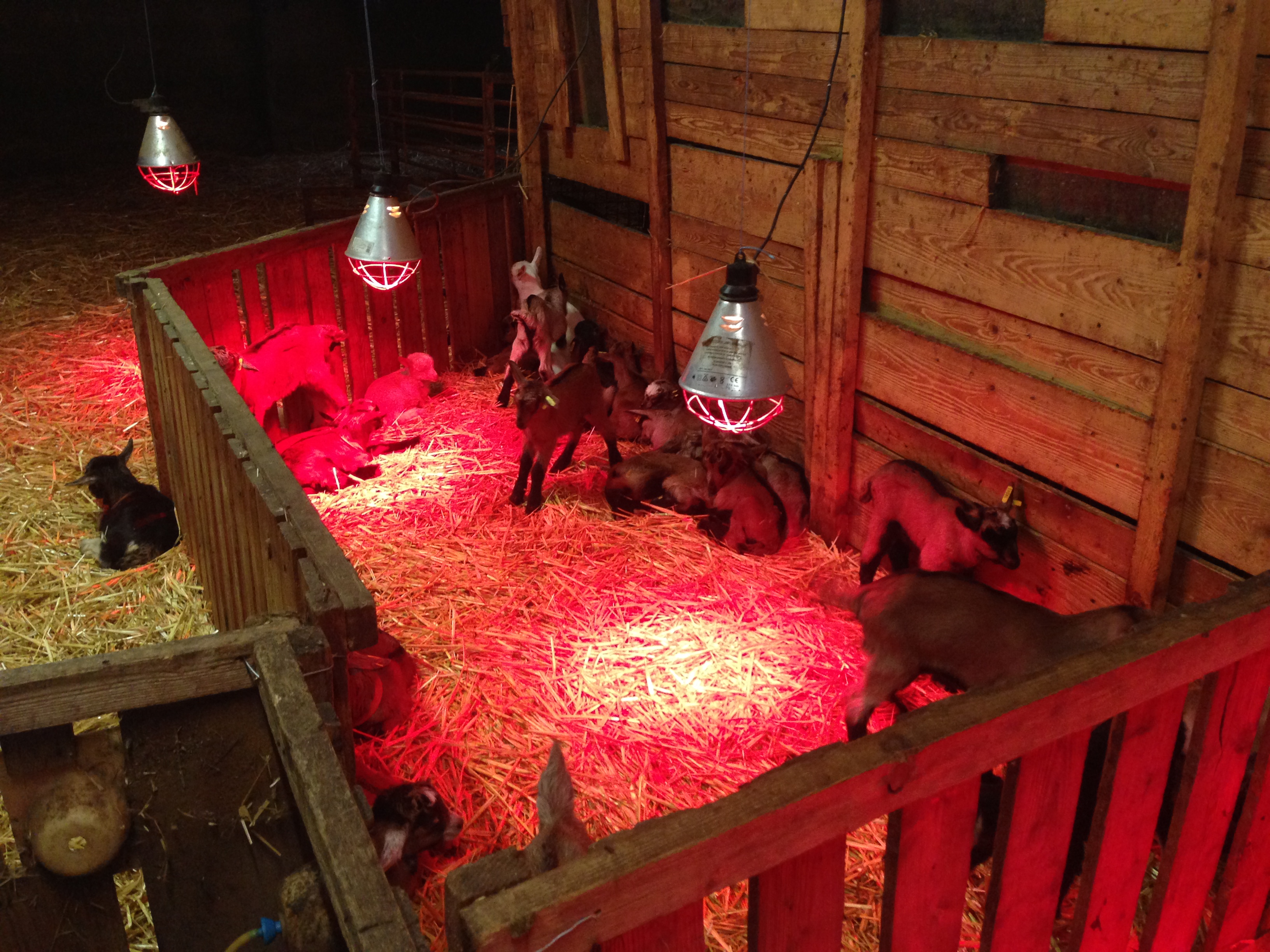
Baby goats were born just a few days before we got there.  With a caution from our guide to watch our step, we visited the barn and saw the baby goats.

Image

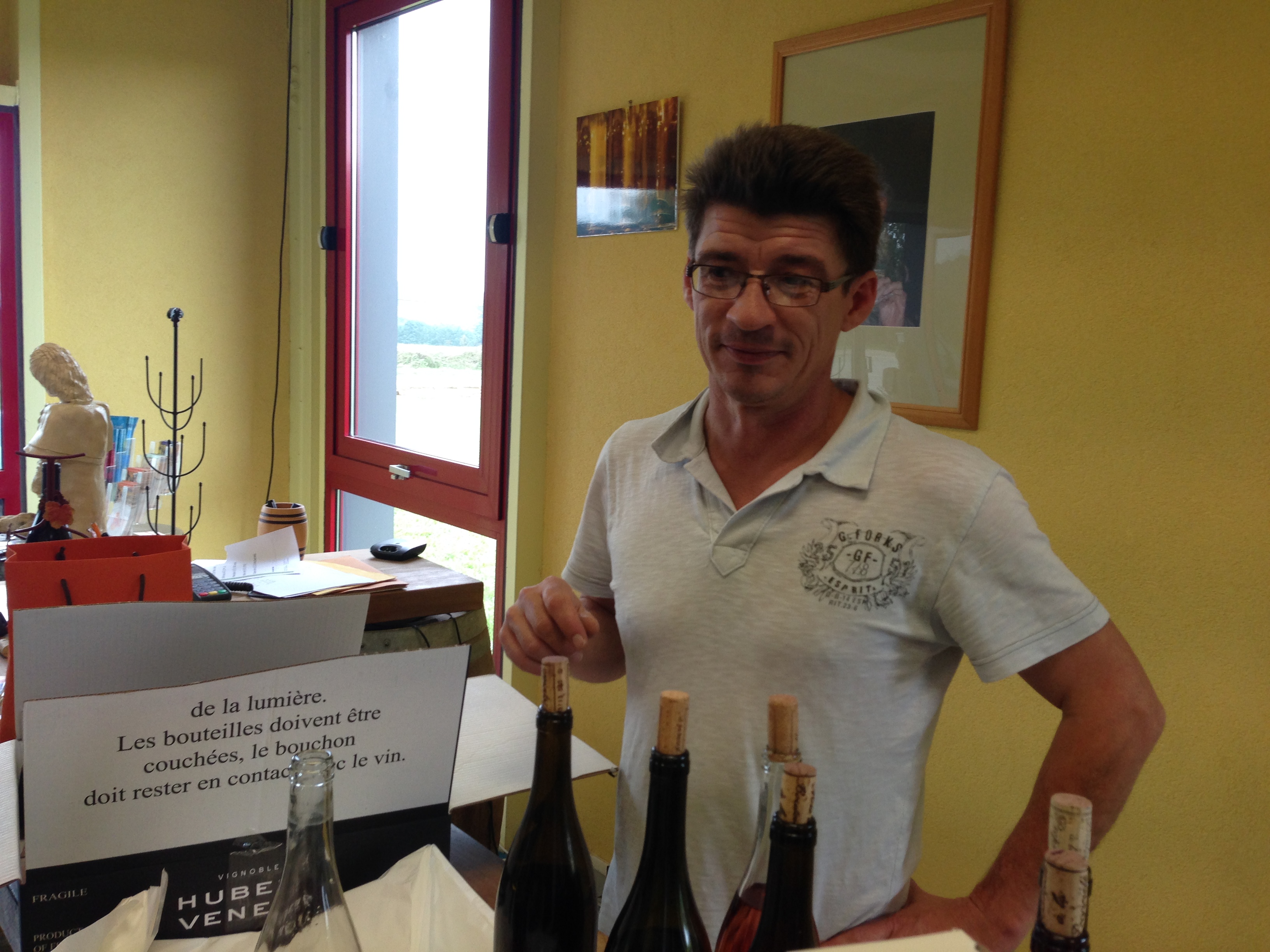
Our guide gave us a heartfelt explanation of the importance of “terroir”, the way geography, geology and climate contribute to the unique characteristics of the wine from each region.  He kept saying, “In France we don’t care what kind of grape is used; we only care where the grape grew up.”  In the Coteaux du Giennois region, the wine maker we visited demonstrated the different components of the soil and then pointed out how they affected the wine when we tasted it.

Image

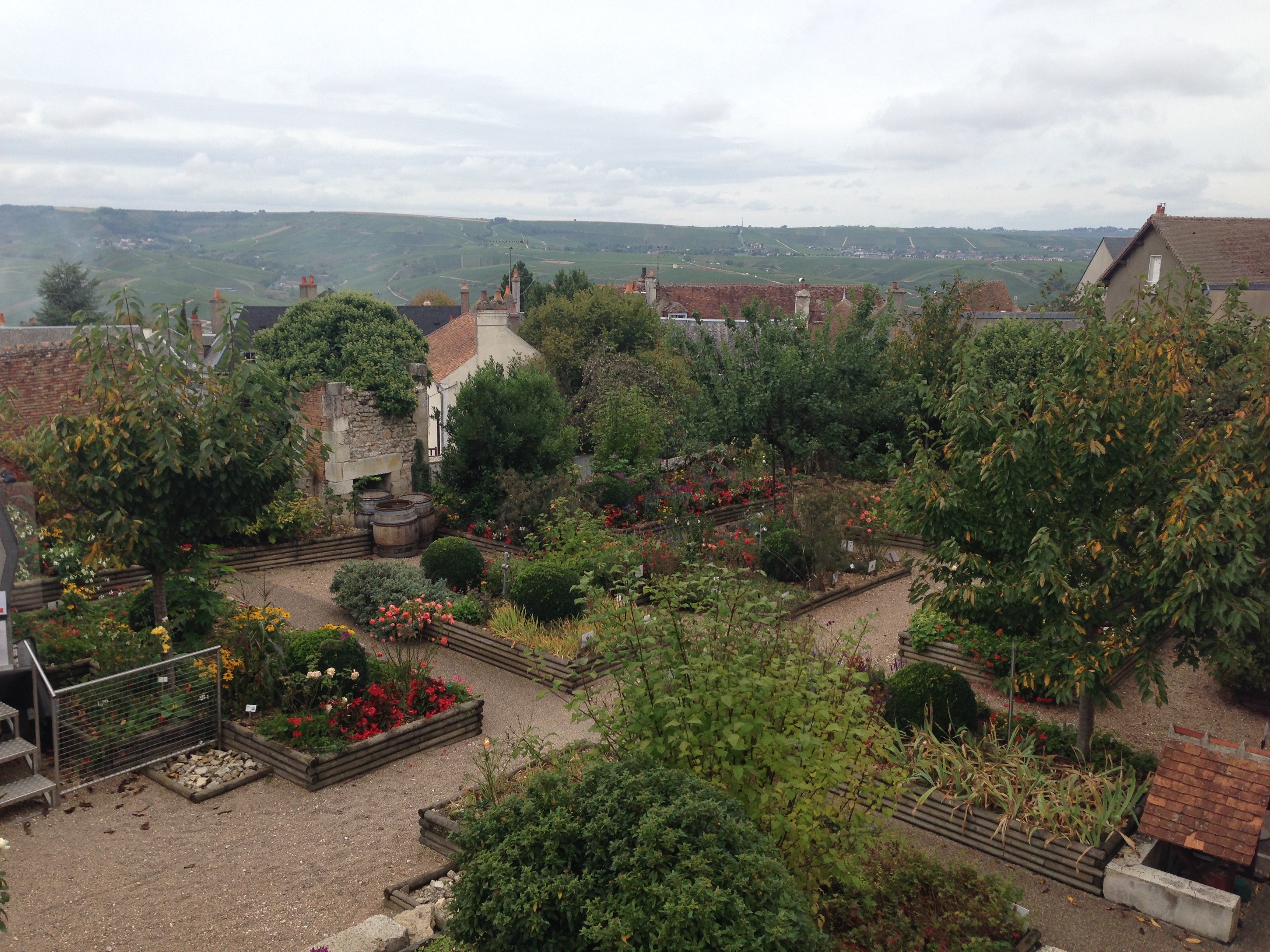
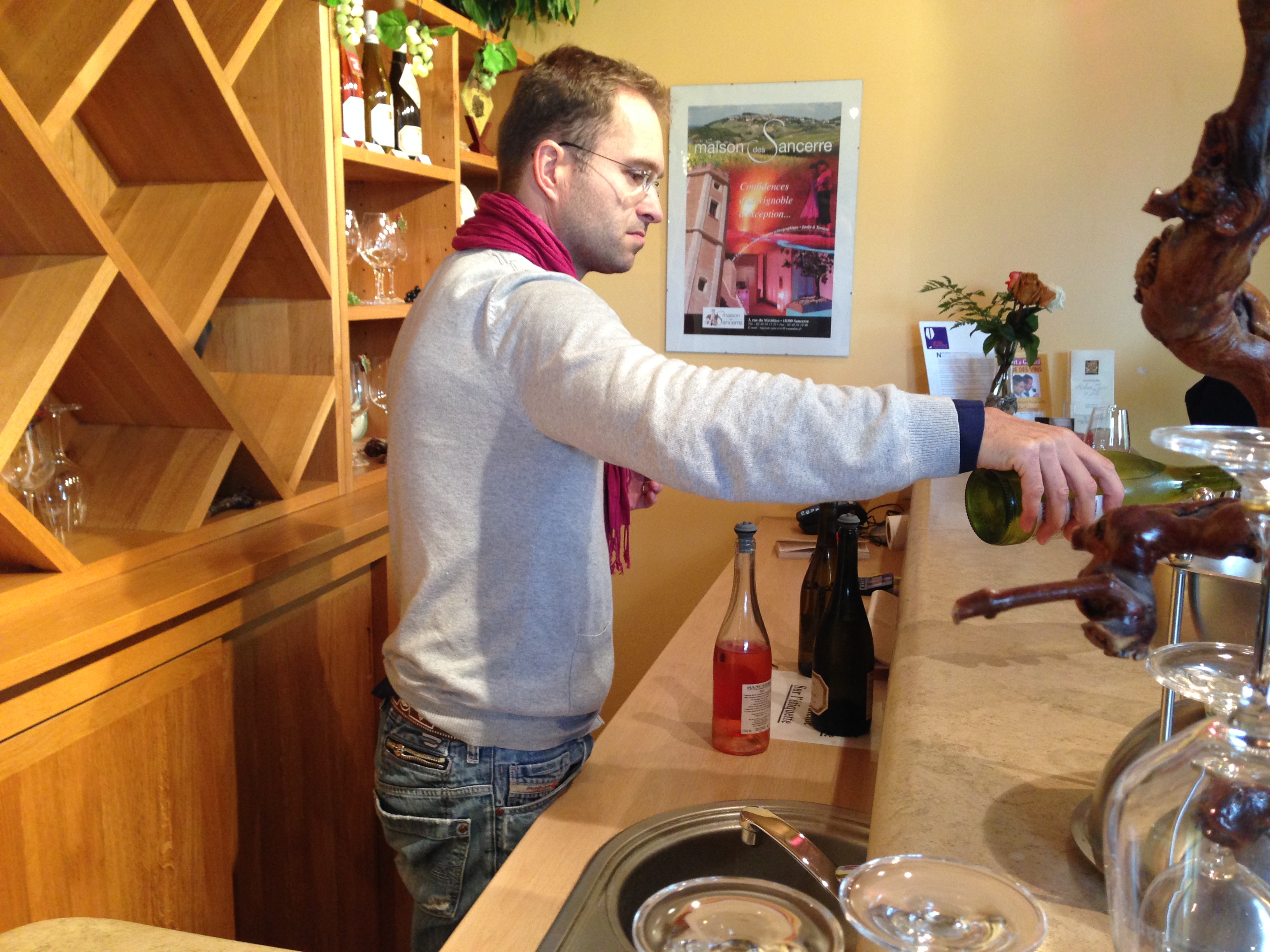
After a traditional French lunch we traveled to Sancerre and tasted white, red, and rose Sancerre wine.  Sancerre is my favorite white wine, but I didn’t know until our tour that there were also red and rose wines from this region.  The tiny town of Sancerre has a wine museum with a beautiful view from the terrace.

Image

Our final stop was the Roland Fissier et Fils winery where our tour guide, Jean Barnard, conducted another tasting for us.

Image

The wine makers signed the labels on the bottles we bought to bring home.